「生理のときにレバーみたいな塊が出た…これって病気?」
突然現れるドロッとした血の塊に、不安を感じたことがある方は少なくありません。
実はこの現象、多くの女性が経験しているごく自然な生理現象のひとつです。
しかしその一方で、病気のサインであるケースも存在します。
この記事では、
- なぜレバー状の血の塊が出るのか
- 病気が関連していのか
- 受診すべきサインと改善方法
について詳しく解説いたします。
について、わかりやすいイラストとともに医療的な視点で解説します。
不安を安心に変えたい方、「これって私だけ?」と感じている方は、ぜひ参考にしてください。
生理中にレバーみたいな塊が出るのはなぜか
生理中にレバーのような血の塊が出てくると、びっくりしたり、不安に感じたりする方も多いのではないでしょうか。
実は、このような塊は多くの女性が経験しているもので、必ずしも病気とは限りません。
ここでは、なぜレバー状の塊が出るのか、正常なケースと注意が必要なケースを分かりやすく解説していきます。
- レバー状の血の塊の正体は子宮内膜
- 血がどろっと固まるメカニズムとは
- 生理のたびにレバーみたいな血の塊が出るのは3つの病気が関与
レバー状の血の塊の正体は子宮内膜

レバーのような塊の正体は、子宮内膜と呼ばれる子宮内側の組織が剥がれ落ちたものです。
子宮内膜は妊娠に備えて毎月厚くなりますが、妊娠が成立しなかった場合には不要となり、生理として体外に排出されます。
このとき内膜が血液や粘液と混ざり、塊のようにまとまって出てくることがあります。
見た目がレバーに似ていても、多くの場合は正常な生理現象の一部であり、特に問題はありません。
血がどろっと固まるメカニズムとは

本来、経血にはフィブリン溶解酵素という血液をサラサラに保つ働きのある成分が含まれています。
この酵素が正常に作用していれば経血は液体のまま排出されますが、血液量が一時的に多くなったときや、排出が滞ったときには酵素の働きが間に合わず、血液が固まってしまうことがあります。
その結果、子宮内で血がどろっとした塊になり、レバーのような形状で排出されるのです。
特に、寝ている間や長時間同じ姿勢でいた後に見られることが多い傾向があります。
生理のたびにレバーみたいな血の塊が出るのは3つの病気が関与しているかも
通常であれば、レバーのような塊が出ることは一時的かつ問題のない場合がほとんどです。
しかし、毎月のように頻繁に出る、塊が大きくて多い、出血量が極端に多いという場合には注意が必要です。
以下のような3つの病気が、レバー状の塊を引き起こす背景として考えられます。
- 過多月経
- 子宮筋腫・子宮腺筋症
- 止血異常
過多月経
過多月経とは、通常よりも明らかに出血量が多くなる状態です。
1〜2時間ごとにナプキンを交換しなければならない、夜用ナプキンでも間に合わない、レバー状の塊が何個も出るなどの症状がある場合は過多月経の可能性があります。
塊が目立つだけでなく、貧血やめまい、倦怠感などの全身症状が伴うこともあります。
原因としてはホルモンバランスの乱れや、子宮の疾患が関係していることもあり、医師の診察が必要です。
子宮筋腫・子宮腺筋症
子宮筋腫は子宮の筋肉にできる良性の腫瘍で、特に30〜40代の女性に多く見られます。
筋腫が大きくなったり、子宮内膜を圧迫したりすることで、月経時の出血量が増加し、レバー状の塊として排出されやすくなります。
子宮腺筋症は、本来は子宮の内側にあるべき子宮内膜が子宮の筋層内に入り込み、炎症や強い月経痛を引き起こす病気です。
どちらの病気も出血が多く、血の塊が目立つ原因となります。
放置すると貧血や不妊のリスクもあるため、気になる症状があれば早めに婦人科を受診しましょう。
止血異常
血液の凝固機能に異常があると、月経時の出血が長引いたり、止まりにくくなったりすることがあります。
このようなケースでは、血液が子宮内に長くとどまり、塊として出てくることがあります。
血小板の異常や血友病、ワルファリンなどの薬の影響によっても同様の症状が現れることがあります。
本人に自覚がなくても、検査によって初めて判明するケースもあるため、生理のたびに大量の血や塊が出る場合は、内科や婦人科での血液検査をおすすめします。
生理中でない時にレバー状の塊が出る場合は不正出血の可能性
「生理ではないのに塊が出た」という場合は、不正出血の可能性が考えられます。
この章では、不正出血との見分け方や注意点を紹介します。
生理じゃないのに出る場合はホルモン異常などが原因
ホルモンバランスが乱れると、排卵期や月経周期の途中で子宮内膜が剥がれ、不正出血として排出されることがあります。
このとき、子宮内膜がまとまって塊として出てくることもあります。
頻度が多い場合や色・においがいつもと異なる場合は注意が必要です。
妊娠初期・排卵期出血との見分け方
妊娠初期には「着床出血」や「流産兆候」として出血や塊が見られることもあります。
また、排卵期に一時的な出血が起こる場合もあります。
不安を感じたら市販の妊娠検査薬を活用し、必要に応じて婦人科で超音波検査を受けましょう。
レバー状の血の塊が出るときの受診目安と対処法
「これって受診したほうがいいの?」と迷う方に向けて、塊のサイズや頻度、その他の症状をもとに受診の目安を整理します。
さらに、日常でできる改善策についても紹介します。
- 何センチから受診すべき?頻度・量・体調の変化が判断基準になる
- 婦人科で行われる検査と診断方法・費用
- 今日からできるレバー塊の改善法3つ
何センチから受診すべき?頻度・量・体調の変化が判断基準になる
レバー状の血の塊が時々出る程度で、体調に問題がなければ過度に心配する必要はありません。
しかし、目安として2cm以上の大きな塊が複数回にわたって確認されたり、毎月のように塊が出る状態が続いている場合は、一度婦人科で診察を受けることをおすすめします。
例えば、500円玉以上の大きさの塊が何度も出る、1回の生理で夜用ナプキンを何枚も交換する必要があるといったケースは、正常範囲を超えている可能性があります。
また、塊の頻度に加えて「疲れやすい」「息切れがする」「立ちくらみが増えた」など、貧血に伴う体調不良が見られる場合は、体がSOSを出しているサインです。
婦人科では問診や超音波検査、血液検査などで原因を調べることができるため、早期の対応が大切です。
婦人科で行われる検査と診断方法
婦人科では、問診に加え、経膣エコーや血液検査が行われます。
子宮筋腫や子宮内膜症、ホルモン異常などの有無を確認し、必要に応じてMRIや内視鏡検査が追加されます。
診断がついたら、症状に応じた治療が提案されます。
| 検査名 | 目的・内容 | 費用の目安(保険適用3割負担) |
|---|---|---|
| 問診 | 症状の内容や月経周期、体調変化などを詳しく聞き取ります | 初診料含めて1,000〜2,000円 |
| 内診 | 膣や子宮の状態を触診し、異常がないかを確認します | 500〜1,000円 |
| 経膣エコー(超音波) | 子宮・卵巣の状態、筋腫や内膜の厚さなどを映像で確認します | 1,000〜2,000円 |
| 血液検査 | 貧血の有無やホルモンバランス、血液凝固機能を調べます | 2,000〜3,000円 |
| MRI検査 | 子宮筋腫や子宮腺筋症などの位置や大きさを高精度で確認します | 5,000〜7,000円 |
| 子宮鏡検査 | 細いカメラで子宮内を直接観察し、ポリープなどを確認します | 3,000〜6,000円 |
今日からできるレバー塊の改善法3つ

レバー状の血の塊が頻繁に出るものの、病院へ行くほどではないと感じている方は、まず生活習慣の見直しから始めてみましょう。
ここでは、今日からできる具体的な改善法をご紹介します。
無理なく続けられる内容ばかりなので、ぜひ試してみてください。
- ホルモンバランスを整えるピルの活用
- 鉄分・葉酸を含む食事やサプリで貧血を予防
- 冷え・ストレスを避ける生活習慣の見直し
ホルモンバランスを整えるピルの活用
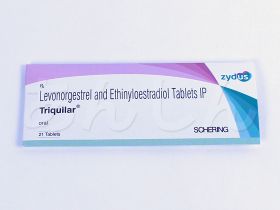
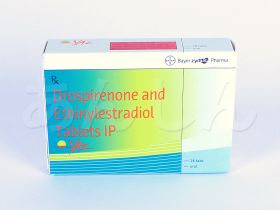
ピルには女性ホルモンを安定させる効果があり、生理の量や周期を整えることができます。
婦人科では以下のような低用量ピルやホルモン治療薬が、過多月経や塊の予防を目的として処方されることが一般的です。
副作用や飲み方については医師の指導を受けながら、自分に合ったものを選ぶようにしましょう。

鉄分・葉酸を含む食事やサプリで貧血を予防
出血量が多い方は、鉄分不足による貧血に注意が必要です。
レバー・赤身肉・ほうれん草などを意識的に摂取し、不足する場合はサプリメントも活用しましょう。
葉酸も造血に重要とされているため、積極的に摂取しましょう。

ビカデキサミン 60カプセル
冷え・ストレスを避ける生活習慣の見直し
体が冷えると血管が収縮し、子宮まわりの血流が悪化します。
その結果、経血の排出がスムーズにいかず、子宮内に滞留した血液が固まりやすくなります。
この状態が続くと、レバー状の塊が排出される原因となることがあります。
とくに冬場や薄着をしがちな季節の変わり目、生理中の冷えには注意が必要です。
腹巻きやカイロ、温かい飲み物を活用して、下腹部を内側からも外側からも温める習慣を心がけましょう。
また、ストレスや過労は自律神経に影響を与え、ホルモン分泌の乱れにつながります。
女性ホルモンが不安定になることで、生理周期や経血の状態に変化が起こりやすくなります。
毎日しっかり睡眠をとる、湯船につかって副交感神経を優位にする、深呼吸やストレッチなどで緊張をほぐすといった、心身両方のケアを意識しましょう。
よくある疑問と不安の解消Q&A
「私だけ?」「どこまでが正常?」と感じている方向けに、特によく寄せられる疑問とその答えをQ&A形式でご紹介します。
塊が1回だけでも病院へ行くべき?
1回だけの塊であれば、通常は心配いりません。
睡眠中や長時間座っていた場合、一時的に経血が溜まりやすくなり、塊として出ることがあります。
ただし、繰り返すようであれば一度受診を検討してください。
生理のたびに塊が出るのは異常?
毎月のように塊が出る場合は、「過多月経」や子宮疾患が隠れている可能性があります。
量や頻度、体調変化があれば、受診して一度調べてもらうことをおすすめします。
更年期・40代での変化は自然なこと?
40代になると女性ホルモンが徐々に減少し始め、生理の周期や出血量に変化が現れやすくなります。
ある程度の変化は自然ですが、日常生活に支障が出るようであれば医師に相談しましょう。
レバー状の塊が出たときの正しい理解と受診判断まとめ
レバーのような塊が生理中に出ることは、多くの場合で正常な反応です。
ただし、大きさ・量・頻度が過剰である場合や、体調不良を伴う場合は、婦人科的な病気が隠れている可能性があります。
早期発見・早期治療のためにも、不安を感じたときは医師の診察を受けるようにしましょう。

この記事の参考サイト
生理中に血の塊が出る:上野駅前婦人科クリニック
血友病を含む先天性止血異常:大阪医療センター
過多月経とは?:一般社団法人 日本女性心身医学会
産婦人科の病気:子宮筋腫・子宮内膜症・子宮腺筋症:徳洲会グループ
不正出血とは:ゆかりレディースクリニック