


AGA治療薬
世界初の服用タイプのAGA治療薬である「プロペシア」、第2のAGA治療薬と言われる「ザガーロ」、AGA(男性型脱毛症)に有効な「ミノキシジル」、ヘアケアシャンプーなどの商品を最安値でご用意しております。
AGA治療薬の商品カテゴリー
AGA治療薬の売れ筋ランキング
- AGA治療薬
- プロペシア
- ザガーロ
- ミノキシジル飲み薬
- ミノキシジル塗り薬
- ヘアケアシャンプー
-
1

-
2

-
3

-
4

-
5

-
6

-
7

-
8


-
1
-
2
-
3
-
4

-
5

-
6

-
7

-
8


-
1
-
2

-
3

-
4

-
5


-
1
-
2

-
3

-
4


-
1
-
2
-
3

-
4

-
5

-
6

-
7


-
1

-
2


AGA治療薬の商品一覧
検索条件に39件の商品が該当しました


AGA治療薬の比較表
AGA治療薬の種類によって効き目の強さ(勃起力)や持続時間などが異なります。
下記の表を見て、選ぶ際の参考にしてください。
| 種類 | プロペシア (プロペシアジェネリック) |
ザガーロ (ザガーロジェネリック) |
ミノキシジル飲み薬 (内服薬) |
ミノキシジル塗り薬 (外用薬) |
ヘアケアシャンプー (ケトコナゾール配合) |
|---|---|---|---|---|---|
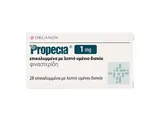
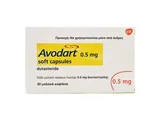
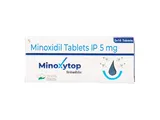
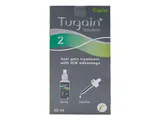
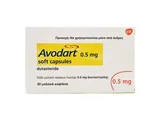
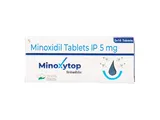
| 商品画像 | 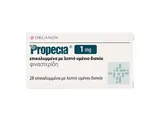 |
 |
 |
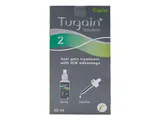 |
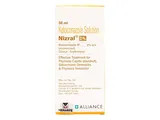 |
| 有効成分 | フィナステリド | デュタステリド | ミノキシジル | ミノキシジル | ケトコナゾール |
| 剤型 | 内服薬(飲み薬) | 内服薬(飲み薬) | 内服薬(飲み薬) | 外用薬(塗り薬) | 外用薬(シャンプー) |
| 服用方法 (使用方法) |
1日1回1錠を服用 | 1日1回1錠(1カプセル)を服用 | 1日1回1錠を服用 | 1日2回適量を塗布 | 週1回~3回洗髪時に適量を使用 |
| 作用機序 | 抜け毛や薄毛の抑制 | 抜け毛や薄毛の抑制 | 発毛や育毛の促進 | 発毛や育毛の促進 | 抜け毛や薄毛の抑制 発毛や育毛の促進 |
| 効き目の強さ (AGA治療効果) |
やや強い

|
強い

|
やや強い
|
マイルド

|
マイルド
|
| 副作用 |
現れやすい

|
やや強く現れやすい

|
現れやすい
|
強く現れにくい

|
強く現れにくい
|
| 食事の影響 |
ほとんど受けない

|
ほとんど受けない
|
ほとんど受けない
|
全く受けない

|
全く受けない
|
| アルコールの影響 |
ほとんど受けない

|
ほとんど受けない
|
強く受けやすい(併用禁忌)

|
受けにくい

|
全く受けない
|
| 効果を実感するまでの期間 |
約3ヵ月~6ヵ月 | 約12週間~6ヵ月 | 約3ヵ月~6ヵ月 | 約4ヵ月~6ヵ月 | 約2週間~6ヵ月 |
| 効果の作用時間 (1回) |
約24時間 | 約24時間 | 約24時間 | 約12時間 | 約24時間 |
| 特徴 | 世界初のAGA治療薬 | 高いAGA治療効果が期待できる | ヘアサイクルを正常に戻す | 他のAGA治療薬との併用が可能 | 脂漏性皮膚炎による抜け毛や薄毛に有効 |
| 関連商品 | プロペシアジェネリック 商品一覧 |
ザガーロジェネリック 商品一覧 |
ミノキシジル飲み薬 商品一覧 |
ミノキシジル塗り薬 商品一覧 |
ヘアケアシャンプー 商品一覧 |
AGA治療薬について
そもそも「AGA治療薬って何?」という方向けに、AGA治療薬についてわかりやすく解説します。
※リンクをクリック、またはタップするとリンク先が表示されます
AGA治療薬とは?
AGA治療薬とは、AGA(男性型脱毛症)を治療するために用いられる医薬品のことです。
抜け毛や薄毛などAGAの症状を改善し、発毛や育毛を促すことを目的とした治療薬なのです。
AGAは多くの男性が悩んでいる疾患で、悩みを抱える男性は日本国内で年々増加傾向にあります。
一説によると日本国内では約1,260万人以上もの男性がAGAによる抜け毛や薄毛に悩んでいるとされているのです。
約3人に1人はAGAに該当するということになります。
現在、世界的に有名な「プロペシア」をはじめ、様々な種類のAGA治療薬が販売されています。
また、ジェネリック医薬品(後発医薬品)としての開発や発売も進んでおり、先発医薬品と同等の効果を発揮するにもかかわらず、安価で続けやすくなってきています。
AGAに悩んでいるからと言って、後退した生え際や頭頂部の薄毛などの改善を諦める必要はありません。
QOL(Quality of Life:生活の質)を向上させるためにも、AGA治療薬を活用して快適な生活を実現させましょう。
AGA治療薬はこのような方におすすめ
AGAは、年齢に関係なく、成人男性であれば誰でも発症するリスクがあります。
一度AGAを発症してしまうと自然に治ることはほとんどないとされています。
また、AGAは進行性のため、何もせず放置していると髪の毛は減少し続けてしまうのです。
以下のような方にAGA治療薬の服用(使用)はおすすめです。
このような方におすすめ
- AGAを患っている方
- 薄毛が目立ち始めた方
- 抜け毛の量が増えてきた方
- 髪の毛が細くなってきた方
- 頭頂部が薄くなってきた方
- 額の生え際が後退してきた方
- 髪の毛のハリやコシがなくなってきた方
- 全体的に髪の毛のボリュームが減ってきた方
- 薄毛や抜け毛の多い親戚がいる方
もし、抜け毛や薄毛などに関して少しでも悩みがある方は、AGA治療薬の服用(使用)を検討してみましょう。
AGA治療薬の作用機序
AGA治療薬には、具体的に「フィナステリド(プロペシア)」、「デュタステリド(ザガーロ)」、「ミノキシジル飲み薬(内服薬)」「ミノキシジル塗り薬(外用薬)」「ヘアケアシャンプー(ケトコナゾール配合)」の5種類が存在しています。
そして、それらAGA治療薬に含まれる有効成分などが異なるため、それぞれの作用機序も異なります。
有効成分ごとの作用機序について解説します。
AGA治療薬の作用機序
- フィナステリド(プロペシア)の作用機序
- デュタステリド(ザガーロ)の作用機序
- ミノキシジル飲み薬(内服薬)の作用機序
- ミノキシジル塗り薬(外用薬)の作用機序
- ヘアケアシャンプー(ケトコナゾール配合)の作用機序
※リンクをクリック、またはタップするとリンク先が表示されます
フィナステリド(プロペシア)の作用機序
AGAを発症する要因の一つには、「ジヒドロテストステロン(DHT)」という男性ホルモンの一種が関係しています。
AGAを発症する方は、高濃度のジヒドロテストステロンが髪の毛の脱毛している部分に存在していることが分かっているからです。
ジヒドロテストステロンは、人の体内に存在する還元酵素の一種である「5αリダクターゼ(5α還元酵素)」と男性ホルモンの一種である「テストステロン」が結合することで変換され、増加します。
変換されたジヒドロテストステロンは、主に前頭部(髪の生え際)や頭頂部の毛乳頭細胞に多く存在する「男性ホルモンレセプター(受容体)」に結合されやすくなります。
本来、この男性ホルモンレセプターは髪の毛の成長に欠かせない受容体なのですが、ジヒドロテストステロンが男性ホルモンレセプターと結合すると、「脱毛命令」や「髪の毛の成長を止める命令」などの信号(指示)を出すようになってしまうのです。
ジヒドロテストステロンと男性ホルモンレセプターの結合は、髪の毛の成長に関わる毛母細胞の働きを低下させることが医学的にも科学的にも証明されています。
プロペシアの有効成分であるフィナステリドには、5αリダクターゼの一種である「Ⅱ型5αリダクターゼ」の働きを阻害するという作用があります。
Ⅱ型5αリダクターゼは、主に前頭部(額の生え際)や頭頂部の毛乳頭細胞に多く存在する還元酵素です。
Ⅱ型5αリダクターゼの働きが弱まれば、テストステロンと結合されることが少なくなり、ジヒドロテストステロン量が増加するのを防いでくれます。
髪の毛の元となる毛母細胞が毛乳頭細胞からの信号で細胞分裂が行えるようになるので、乱れたヘアサイクルや頭皮環境を正常に戻すことができます。
結果的に抜け毛や薄毛の進行を遅らせることができ、発毛や育毛が促されることに繋がるのです。
デュタステリド(ザガーロ)の作用機序
ザガーロの有効成分であるデュタステリドには、全身の毛乳頭細胞に存在する「Ⅰ型5αリダクターゼ」と前頭部(額の生え際)や頭頂部の毛乳頭細胞に多く存在する「Ⅱ型5αリダクターゼ」の2つの働きを阻害するという作用があります。
5αリダクターゼの内、Ⅱ型5αリダクターゼのみ阻害するフィナステリド(プロペシア)に対して、デュタステリド(ザガーロ)はⅠ型5αリダクターゼとⅡ型5αリダクターゼの両方を阻害できるのです。
簡単に言えば、より広範囲に働きかけることができるということです。
Ⅰ型5αリダクターゼとⅡ型5αリダクターゼの働きが弱まれば、テストステロンと結合されることがほとんどなくなるため、ジヒドロテストステロンもほとんど増加しません。
より効果的に髪の毛の元となる毛母細胞が毛乳頭細胞からの信号で細胞分裂が行えるようになるので、乱れたヘアサイクルや頭皮環境を正常に戻すことができます。
結果的に抜け毛や薄毛の進行を強力に遅らせることができ、発毛や育毛が促されることに繋がるのです。
ミノキシジル飲み薬(内服薬)の作用機序
ミノキシジル飲み薬(内服薬)には、血管拡張作用があります。
血管が拡張されることで、血流が改善され、頭皮の毛細血管までしっかり酸素や栄養が行き渡るようになります。
毛乳頭細胞も刺激されるので、髪の毛を作り出す毛母細胞が活性化することで細胞分裂が促進され、発毛や育毛に繋がります。
さらに、ヘアサイクルや頭皮環境を正常化させる働きが期待できます。
ただし、フィナステリド(プロペシア)やデュタステリド(ザガーロ)などのAGA治療薬とは作用機序が異なるため、根本的に抜け毛や薄毛の進行を抑制する様な効果はありません。
その代り、フィナステリド(プロペシア)やデュタステリド(ザガーロ)などのAGA治療薬と併用が可能です。
また、ミノキシジル塗り薬(外用薬)とも併用することができます。
それぞれ、AGAの治療効果や効果が出やすい部位などが異なるので、併用することでしっかりとしたAGA治療を行うことができます。
ミノキシジル塗り薬(外用薬)の作用機序
ミノキシジル塗り薬(外用薬)には、頭皮に存在する毛乳頭細胞を直接刺激する作用があります。
毛乳頭細胞が刺激されると、髪の毛を作り出す毛母細胞が活性化するので、細胞分裂が促進され、発毛や育毛に繋がります。
さらに、ヘアサイクルや頭皮環境を正常化させる働きが期待できます。
ちなみに、ミノキシジル塗り薬もフィナステリド(プロペシア)やデュタステリド(ザガーロ)などのAGA治療薬と併用が可能です。
また、ミノキシジル飲み薬(内服薬)とも併用することができます。
ヘアケアシャンプー(ケトコナゾール配合)の作用機序
ケトコナゾールとは、本来、白癬やカンジダ症など真菌(カビ)によって引き起こされる皮膚の感染症治療に使用される抗真菌薬です。
真菌は頭皮にも感染して「脂漏性皮膚炎」を引き起こすことがあります。
脂漏性皮膚炎になってしまうと、フケやかゆみを伴う炎症の症状がみられ、頭皮環境が悪化してしまいます。
この様に頭皮環境が悪化した状態を放置してしまうと脱毛症の症状が広範囲に渡って現れます。
そうなると抜け毛や薄毛を引き起こしやすくなり、正常な発毛や育毛がされなくなってしまうのです。
そこで、ケトコナゾールが配合されたヘアケアシャンプーを使用すれば、脂漏性皮膚炎を治療できるため、結果的に頭皮環境を改善して抜け毛や薄毛を防ぐことができるのです。
また、近年の研究では、ケトコナゾールには抗アンドロゲン作用や皮脂分泌抑制作用も確認されています。
抗アンドロゲン作用によってテストステロンの産生が抑制されれば、AGAの原因であるジヒドロテストステロンの増加を防ぐことができます。
さらに、皮脂分泌抑制作用によって過剰な皮脂の分泌を抑制できれば、その皮脂を媒介とした真菌の繁殖も防ぐことができ、結果的に頭皮環境の改善に繋がります。
ケトコナゾールが配合されたヘアケアシャンプーは「抗真菌作用」や「抗アンドロゲン作用」、「皮脂分泌抑制作用」によってAGAの治療効果を得ることができるのです。
ちなみに、ケトコナゾールが配合されたヘアケアシャンプーもフィナステリド(プロペシア)やデュタステリド(ザガーロ)、ミノキシジルなどのAGA治療薬と併用することが可能です。
AGA治療薬の種類
AGA治療薬は、有効成分や剤型によって主に5種類に分けることができます。
代表的なAGA治療薬は以下の通りです。
AGA治療薬の種類
- プロペシア(有効成分:フィナステリド)
- ザガーロ(有効成分:デュタステリド)
- ミノキシジル飲み薬(有効成分:ミノキシジル)
- ミノキシジル塗り薬(有効成分:ミノキシジル)
- ヘアケアシャンプー(有効成分:ケトコナゾール)
※リンクをクリック、またはタップするとリンク先が表示されます
プロペシア(有効成分:フィナステリド)
プロペシアは、有効成分「フィナステリド(Finasteride)」が含まれている内服薬(飲み薬)のAGA治療薬です。
AGAに効果があると医学的に証明された世界初の経口内服型AGA治療薬として知られています。
元々は、前立腺肥大症の治療薬として研究・開発されていましたが、開発の過程で抜け毛や薄毛の進行を抑制する作用がみられたため、その後AGA治療薬として誕生しました。
1997年にアメリカのメルク・アンド・カンパニー(Merck & Co., Inc.)から発売されて以来、根強い人気があります。
現在、AGA治療において、ほとんどの場合プロペシアが第一選択薬(ファーストチョイス/ファーストライン)として処方されています。
日本国内では、2005年に厚生労働省から認可を受け、販売が開始されています。
今では世界の60ヵ国以上で効果の有効性や長期間服用した際の安全性が認められています。
世界的な認知度が高く、処方実績も多いため、最もスタンダードなAGA治療薬と言えるでしょう。
プロペシアの特徴
- 世界初の経口内服型AGA治療薬
- 抜け毛や薄毛の進行を抑制できる
- 処方実績が多く、認知度が高い(世界的に有名)
- 食事の影響をほとんど受けない
- ミノキシジル塗り薬(外用薬)や飲み薬(内服薬)と併用できる
ザガーロ(有効成分:デュタステリド)
ザガーロは、有効成分「デュタステリド(Dutasteride)」が含まれている内服薬(飲み薬)のAGA治療薬です。
AGAに効果があると医学的に証明され、プロペシアの次に誕生した世界で2番目の経口内服型AGA治療薬として知られています。
ザガーロもプロペシア同様、元々は、前立腺肥大症の治療薬として研究・開発されていましたが、開発の過程で抜け毛や薄毛の進行を抑制する作用がみられたため、その後AGA治療薬として誕生しました。
2016年にイギリスのグラクソ・スミスクライン株式会社(GlaxoSmithKline K.K.)から発売された比較的新しいAGA治療薬です。
ザガーロはプロペシアより効果が強い反面、副作用もやや強く現れやすいという特徴があります。
しかし、日本国内の製薬会社から様々なザガーロジェネリックも販売されており、効果の有効性や長期間服用した際の安全性が認められています。
ザガーロの特徴
- 比較的新しいAGA治療薬
- 強力に抜け毛や薄毛の進行を抑制できる
- 副作用がやや強く現れやすい
- 食事の影響をほとんど受けない
- ミノキシジル塗り薬(外用薬)や飲み薬(内服薬)と併用できる
ミノキシジル飲み薬(有効成分:ミノキシジル)
ミノキシジル飲み薬(内服薬)は、有効成分「ミノキシジル(Minoxidil)」が含まれている内服薬(飲み薬)のAGA治療薬です。
「ミノキシジルタブレット(ミノタブ)」と呼ばれることもあります。
1970年代にアメリカのアップジョン社(現:ファイザー社)から「ロニテン(Loniten)」として発売されたのが始まりです。
元々は、高血圧症の治療薬として使用されていましたが、発毛効果や育毛効果がみられたため、その後AGA治療薬として誕生しました。
発毛効果や育毛効果としては、ミノキシジル塗り薬よりもミノキシジル飲み薬のほうが高いとされています。
しかし、本来は高血圧症を治療するための降圧剤なので、服用によって重篤な副作用を引き起こす可能性があるため、注意が必要です。
日本国内では、ロニテンやロニテンジェネリックをインターネット通販サイトによる個人輸入でのみ入手することができます。
ミノキシジル飲み薬の特徴
- 発毛効果や育毛効果が高い
- プロペシア(フィナステリド)と併用できる
- ザガーロ(デュタステリド)と併用できる
- ミノキシジル塗り薬(外用薬)と併用できる
- ヘアケアシャンプー(ケトコナゾール配合)と併用できる
ミノキシジル塗り薬(有効成分:ミノキシジル)
ミノキシジル塗り薬(外用薬)は、有効成分「ミノキシジル(Minoxidil)」が含まれている外用薬(塗り薬)のAGA治療薬です。
「ミノキシジルリキッド」と呼ばれることもあります。
1980年代にアメリカのアップジョン社(現:ファイザー社)から「ロゲイン(Rogaine)」として発売されたのが始まりです。
また、有効成分ミノキシジルが含まれた外用薬には「リアップ」などの「市販薬(OTC医薬品)」が存在しています。
第一類医薬品なので、有効成分の濃度が医療用医薬品より抑えられており、薬局やドラックストア、通販サイトなどで購入することができます。
ミノキシジル塗り薬の特徴
- 副作用が強く現れにくい
- 食事の影響を全く受けない
- プロペシア(フィナステリド)と併用できる
- ザガーロ(デュタステリド)と併用できる
- ミノキシジル塗り薬(外用薬)と併用できる
- ヘアケアシャンプー(ケトコナゾール配合)と併用できる
ヘアケアシャンプー(有効成分:ケトコナゾール)
有効成分「ケトコナゾール(Ketoconazole)」が含まれているヘアケアシャンプーはAGA治療薬として扱われています。
ケトコナゾールが配合されているヘアケアシャンプーには、「ニゾラールシャンプー」や「デノンシャンプー」などの商品が存在しています。
AGAに効果があると医学的に証明された世界で唯一の医薬品のヘアケアシャンプーとして知られています。
公益社団法人日本皮膚科学会が発行している「男性型および女性型脱毛症診療ガイドライン2017年版」ではAGA治療の有用性が示され、推奨されています。
主に頭皮の皮脂汚れを除去して頭皮環境を改善したり、脂漏性皮膚炎の治療に効果があります。
様々なAGA治療薬と併用が可能なので、補助的な効果が期待できるヘアケアシャンプーとして近年注目が集まっています。
ヘアケアシャンプーの特徴
- 頭皮環境を改善できる
- 脂漏性皮膚炎を治療できる
- プロペシア(フィナステリド)と併用できる
- ザガーロ(デュタステリド)と併用できる
- ミノキシジル塗り薬(外用薬)や飲み薬(内服薬)と併用できる
AGA治療薬の選び方
AGA治療薬は、有効成分によって効き目や服用方法(使用方法)などが異なるため、目的や用途、改善したい悩みなどに合わせて選ぶとより効果を実感できます。
それぞれのAGA治療薬がどんな方に向いているか簡単に解説します。
【プロペシア】AGA治療初心者の方向け
- 初めてAGA治療をする
- 安定したAGA治療効果が欲しい
- 抜け毛や薄毛を予防したい
- 内服薬(飲み薬)を服用したい
【ザガーロ】強力なAGA治療効果を求めている方向け
- プロペシアよりも強力なAGA治療効果が欲しい
- 抜け毛や薄毛を予防したい
- 副作用を気にしない
- 内服薬(飲み薬)を服用したい
【ミノキシジル飲み薬(内服薬)】高い発毛効果や育毛効果を求めている方向け
- 高い発毛効果や育毛効果が欲しい
- 弱った髪の毛を強くしたい
- 副作用を気にしない
- 内服薬(飲み薬)を服用したい
【ミノキシジル塗り薬(外用薬)】頭皮環境を改善したい方向け
- 頭皮環境を改善したい
- マイルドなAGA治療効果が欲しい
- 副作用が強く現れにくい
- 外用薬(塗り薬)を使用したい
【ヘアケアシャンプー(ケトコナゾール配合)】頭皮のフケやかゆみで悩んでいる方向け
- なるべく早くAGA治療効果を実感したい
- 脂漏性皮膚炎を治療したい
- 副作用が強く現れにくい
- 食事の影響を全く受けたくない
AGA治療薬の費用
AGA治療薬にかかる費用は入手方法によって異なります。
医療用医薬品としてのAGA治療薬は「病院やクリニックなどの医療機関」か「インターネット通販サイトによる個人輸入」によってのみ手に入れることができます。
ちなみに、薬局やドラッグストア、日本国内の通販サイト(Amazonや楽天など)では医療用医薬品としてのAGA治療薬を手に入れることはできません。
手に入れられるとしても、市販薬(OTC医薬品)としてのAGA治療薬だけです。
AGA治療薬の費用感は以下の通りです。
AGA治療薬の費用
※リンクをクリック、またはタップするとリンク先が表示されます
病院やクリニックなどの医療機関の場合
AGA治療薬の入手方法には、病院やクリニックなどの医療機関で処方して貰うという方法があります。
この入手方法の場合、医療機関によってAGA治療薬にかかる費用は異なります。
一般的にAGA治療薬を処方している病院やクリニックなどの医療機関では、健康保険が適用される「保険診療」ではなく、健康保険が適用されない「自由診療(自費診療)」です。
そのため、診察を受けた医療機関でAGA治療薬を受け取る「院内処方」で貰うことになります。
医療機関によりますが、基本的に「診察料(初診料や再診料など)」や「処方料」、「AGA治療薬自体の薬代」などが費用として全額自己負担で発生します。
病院やクリニックなどの医療機関でかかるAGA治療薬の費用の内訳は以下の通りです。
| 診察料(初診料や再診料など) | 無料~3,000円程度 |
|---|---|
| 処方料 | 無料~680円程度 |
| AGA治療薬代(内服薬) | 1錠あたり150円~300円程度 |
| AGA治療薬代(外用薬) | 1箱あたり2,500円~6,000円程度 |
※上記はあくまで目安の金額です
医療機関でAGA治療薬を処方して貰う場合、内服薬だと1錠あたり150円~300円円程度、外用薬だと1箱あたり2,500円~6,000円程度の費用がかかる計算になります。
また、最近ではスマートフォンやタブレットなどの情報通信機器を用いた「オンライン診療」で処方してくれる医療機関が増えてきています。
ただし、オンライン診察の場合、以下の費用が追加で必要になることがあるので、注意しましょう。
| オンライン診察料 | 無料~700円程度 |
|---|---|
| システム利用料 | 無料~2,000円程度 |
| 送料 | 無料~1,000円程度 |
※上記はあくまで目安の金額です
オンライン診療を利用してAGA治療薬を処方して貰う場合、追加で最大3,700円程度の費用がかかる計算になります。
もちろん、医療機関によっては追加費用が発生しない(無料)こともあります。
インターネット上の通販サイトによる個人輸入の場合
AGA治療薬の入手方法には、インターネット上の通販サイト(個人輸入代行サイト)による個人輸入で購入するという方法もあります。
ただし、購入できるAGA治療薬は、日本国内では認可されていないジェネリック医薬品などの海外医薬品だけです。
その代わり、日本国内では認可されていない有効成分の含有量が多いAGA治療薬を選択肢に入れることができます。
この入手方法の場合、個人輸入代行サイトによってAGA治療薬にかかる費用は異なります。
もちろん、保険適用はされないため、費用は全額自己負担になりますが、医療機関で処方して貰うよりも比較的安価に手に入れることができます。
個人輸入代行サイトによりますが、基本的に「AGA治療薬自体の薬代」と「送料」だけが費用として発生します。
個人輸入でかかるAGA治療薬の費用の内訳は以下の通りです。
| AGA治療薬代(内服薬) | 1錠あたり30円~150円程度 |
|---|---|
| AGA治療薬代(外用薬) | 1箱あたり700円~4,000円程度 |
| 送料 | 無料~1,000円程度 |
※上記はあくまで目安の金額です
個人輸入でAGA治療薬を購入する場合、内服薬だと1錠あたり30円~150円程度、外用薬だと1箱あたり700円~4,000円程度の費用がかかる計算になります。
医療機関での処方と個人輸入代行サイトでの購入には、それぞれメリットやデメリットがあります。
AGA治療薬は、自分に合った方法で手に入れましょう。
AGA治療薬の効果
AGA治療薬は、AGA(男性型脱毛症)に効果・効能(適応)のある医薬品です。
効果・効能(適応症)
- AGA(Androgenetic Alopecia:男性型脱毛症)
そもそも、AGAとは、「Androgenetic Alopecia」の略で、「男性型脱毛症」とも呼ばれる、男性特有の進行性の脱毛症のことです。
主に前頭部(髪の生え際)や頭頂部から抜け毛や薄毛が進行していきます。
AGAの特徴
- 進行性の脱毛症である
- 髪の毛が徐々に細く短くなる
- 思春期以降の男性なら誰でも発症する可能性がある
- 前頭部(髪の生え際)や頭頂部のどちらか、またはその両方から進行する
- 年齢に比例して進行状態が悪化する
AGAは命に影響を及ぼす疾患ではありません。
しかし、審美的な問題が日常生活に及ぼす影響は非常に大きいと言えます。
抜け毛や薄毛に限った話ではなく、そういった見た目の問題は心理的な不安やストレスを抱えながら生活することになるからです。
AGA治療薬は、そういった抜け毛や薄毛の悩みを改善し、日常生活の質(Quality of Life:QOL)を高めてくれる医薬品なのです。
AGA治療薬の効果は、臨床試験でも認められており、実際に抜け毛や薄毛で悩む多くの男性を救ってきた実績があります。
臨床試験では「AGA治療薬の有効性は最大で98%以上もある」という調査結果が報告されています。
AGAによる抜け毛や薄毛の進行は、ほぼ確実に抑制できるのです。
「プロペシア」や「ザガーロ」などのAGA治療薬の有効成分はそれぞれ異なり、作用機序も違いますが、AGAを改善するという効果は基本的に同じです。
AGAを根本原因から改善させるものもあれば、発毛や育毛を促すことで改善に導くものもあります。
ただし、AGA治療薬の種類によって「効き目の強さ(AGA治療効果)」や「効果を実感するまでの期間」、「効果の作用時間」などが異なります。
早ければ約2週間で効果を実感できたり、時間がかかって約6ヵ月後に効果を実感することもあるのです。
| 効き目の強さ(AGA治療効果) | マイルドな効き目~強い効き目 |
|---|---|
| 効果を実感するまでの期間 | 約2週間~6ヵ月 |
| 効果の作用時間(1回) | 約12時間~24時間 |
※効果はAGA治療薬の種類や個人差などによって異なります
AGA治療薬ごとの詳しい効果は、こちらの比較表をご確認ください。
ちなみに、AGA治療薬は服用(使用)すればすぐに抜け毛や薄毛などの症状が改善され、AGAの悩みが解決するという医薬品ではありません。
基本的に長期間服用(使用)し続けることが前提の医薬品であり、効果を実感するまで(効き始めるまで)には少なくとも約2週間~6ヵ月はかかるとされています。
服用(使用)を中止するとAGAの治療効果が失われ、増加したり、強く太く育った髪の毛は元の状態に戻ってしまいます。
AGA治療薬は、あくまで抜け毛や薄毛の進行を抑制する医薬品であって、完治を目指す医薬品ではないということは覚えておきましょう。
AGA治療薬の副作用
AGA治療薬は、日本の厚生労働省や海外で認可されている安全性が高い医薬品です。
しかし、AGA治療薬には他の医薬品と同様に副作用が存在します。
プロペシアの「5αリダクターゼの働きを阻害する作用」やミノキシジルの「血管拡張作用」などは、頭皮や髪の毛だけに影響するわけではありません。
人によってはこれらの作用によって身体の様々な部位に副作用の症状として現れ、影響が出ます。
そのため、一概には言えませんが、副作用の症状は「効果の作用時間」と同じ時間だけ出ることになります。
また、「内服薬(飲み薬)のAGA治療薬」や「外用薬(塗り薬)のAGA治療薬」、「ヘアケアシャンプーのAGA治療薬」では、有効成分が異なるため、副作用の症状も異なります。
主な副作用
- 初期脱毛
- リビドー減退(性欲減退)
- ED(勃起不全)
- 射精障害
- 精液量減少
- 発疹
- そう痒症(かゆみ)
- 頭痛
- めまい
- 多毛症
※副作用はAGA治療薬の種類や個人差などによって異なります
これらの主な副作用は、いずれも服用(使用)期間中に現れることがありますが、服用(使用)を中止すると症状は現れなくなります。
基本的には、時間が経てば有効成分が体内で分解され、消失していくので、効き目が弱まると同時に副作用の症状も自然に良くなっていきます。
AGA治療薬は、用法・用量を守って服用(使用)すれば安全性の高い医薬品なので、副作用の症状が現れたからと言って過度に心配する必要はありません。
とは言え、副作用の症状や発生率は、服用(使用)する用量、直前の食事内容、本人の体質、その日の体調、剤型などによって異なります。
副作用の詳細は、付随している各添付文書を確認したほうが良いでしょう。
副作用はネガティブなイメージで捉えられがちですが、どんな医薬品にも多かれ少なかれ、副作用は存在しています。
副作用の症状が現れるということは、しっかりと効果が現れている証拠でもあります。
「用量を変える」「剤型を変える」「服用方法(使用方法)を工夫する」など副作用を回避できる方法はたくさんあります。
副作用の症状や対策について正しい知識を身に着け、AGA治療薬を賢く使いこなすことが大切です。
重篤な副作用
AGA治療薬には、ごく稀に重篤な副作用が現れることが認められています。
AGA治療薬の種類によっては、頻度不明ながら「肝機能障害」や「黄疸」を引き起こす可能性があります。
| 肝機能障害 | 何らかの原因によって肝臓がダメージを受けて炎症を引き起こしている状態で、肝細胞が破壊されてしまう疾患 |
|---|---|
| 黄疸 | 血液中のビリルビンという色素が増加することで、皮膚や白眼が黄色くなる疾患 |
※重篤な副作用はAGA治療薬の種類や個人差などによって異なります
医薬品である以上、「重篤な副作用は絶対に起きない!」とは言い切れません。
有害事象が発生した場合は、すぐに医師や薬剤師に相談してください。
AGA治療薬の服用方法(使用方法)
AGA治療薬は、用法・用量を守って服用(使用)することが大切です。
用量やタイミングなどを厳守し、適切に服用(使用)しないと十分にAGA治療効果が得られないことがあるからです。
また、誤った飲み方や使い方をしてしまうと副作用を引き起こしやすくなることもあるため、AGA治療薬の服用方法や使用方法はとても重要と言えます。
以下の用法・用量を厳守しましょう。
| 用量 (1回) |
プロペシア(フィナステリド)の場合:0.2mg~1mgまで ザガーロ(デュタステリド)の場合:0.1mg~0.5mgまで ミノキシジル飲み薬(内服薬)の場合:2.5mg~10mgまで ミノキシジル塗り薬(外用薬)の場合:1%~15%(100ml中1g~15g)の濃度で適量(約1ml)まで ヘアケアシャンプー(ケトコナゾール配合)の場合:2%(100ml中2g)の濃度で適量(約10ml)まで |
|---|---|
| 服用回数 (使用回数) |
プロペシア(フィナステリド)の場合:1日1回まで ザガーロ(デュタステリド)の場合:1日1回まで ミノキシジル飲み薬(内服薬)の場合:1日1回まで ミノキシジル塗り薬(外用薬)の場合:1日2回まで ヘアケアシャンプー(ケトコナゾール配合)の場合:週1回~3回まで |
| 服用間隔 (使用間隔) |
プロペシア(フィナステリド)の場合:24時間以上の間隔を空ける ザガーロ(デュタステリド)の場合:24時間以上の間隔を空ける ミノキシジル飲み薬(内服薬)の場合:24時間以上の間隔を空ける ミノキシジル塗り薬(外用薬)の場合:12時間以上の間隔を空ける ヘアケアシャンプー(ケトコナゾール配合)の場合:24時間以上の間隔を空ける |
| 服用時の飲料水 | 内服薬の場合のみ:コップ1杯分の水や白湯(ぬるま湯)を推奨 |
| 服用条件 (使用条件) |
内服薬の場合のみ:アルコール(お酒)の飲み過ぎは非推奨 内服薬の場合のみ:水分と一緒に服用を推奨 内服薬の場合のみ:牛乳、カフェイン、フラノクマリン類(グレープフルーツなど)を含む飲み物での服用は非推奨 外用薬の場合のみ:何らかの皮膚トラブルが見られたらすぐに使用の中止を推奨 |
※服用方法(使用方法)はAGA治療薬の種類や個人差などによって異なります
1回に服用(使用)する用量や服用回数(使用回数)、服用間隔(使用間隔)などは、AGA治療薬の種類によって異なります。
有効成分の違いによって効果の作用時間などが異なるからです。
初めてAGA治療薬を服用(使用)する場合は、重篤な副作用を回避するため、少ない用量から服用(使用)を開始すると良いでしょう。
AGA治療効果が十分に得られる場合は、そのままの用量で問題ありません。
AGA治療効果をあまり感じられなかった場合のみ、徐々に用量を上げるようにしましょう。
服用時の注意点
AGA治療薬を服用(使用)する際には、いくつか注意点があります。
1つ目は、プロペシアなどの内服薬(飲み薬)のAGA治療薬を服用する場合、アルコール(お酒)の飲み過ぎは禁物だということです。
内服薬のAGA治療薬は、基本的にはアルコールの影響をほとんど受けないとされています。
しかし、アルコールを過剰に摂取してしまうと、肝臓に負担をかけ、頭痛やめまいなどの副作用を引き起こしやすくなる可能性があります。
そうなると、AGA治療効果が正しく得られなくなるので、飲み過ぎには注意しましょう。
2つ目は、プロペシアなどの内服薬(飲み薬)のAGA治療薬を服用する場合、必ず水分と一緒に服用するべきだということです。
AGA治療薬に限らず、医薬品の錠剤を水分なしで直接飲んでしまう方が一定数います。
のどに錠剤が引っかかってしまったり、胃の中の水分が少ないため、なかなか溶けず、思うようにAGA治療効果が発揮されないことがあります。
安全のためにもAGA治療薬は、水や白湯(ぬるま湯)などと一緒に飲むようにしてください。
3つ目は、プロペシアなどの内服薬(飲み薬)のAGA治療薬を服用する場合、牛乳、カフェイン、フラノクマリン類(グレープフルーツなど)を含む飲み物と一緒に服用すべきではないということです。
これらを含む飲み物は、体内の酵素の働きを阻害し、有効成分の分解や吸収を遅らせてAGA治療効果を弱めたり、副作用を引き起こしやすくさせてしまうことがあるからです。
4つ目は、ミノキシジルやケトコナゾールが配合されたヘアケアシャンプーなどの外用薬(塗り薬)のAGA治療薬を使用する場合、何らかの皮膚トラブルが見られたらすぐに使用を中止すべきだということです。
外用薬のAGA治療薬は、基本的に患部(頭皮)に直接塗布するため、副作用としてかゆみやかぶれなどの皮膚トラブルが現れることがあります。
気になる症状が現れた場合は、すぐ使用を中止し、医師や薬剤師に相談してください。
AGA治療薬の禁忌
AGA治療薬には、禁忌(服用してはいけない方)が指定されています。
禁忌とは、「絶対に飲んではいけない」と決められている特定の患者や疾患(症状)を抱えている方のことです。
禁忌に該当する方がAGA治療薬を服用(使用)すると重篤な副作用を引き起こす可能性があります。
以下に該当する方は、禁忌に指定されています。
AGA治療薬の禁忌
- 過去にAGA治療薬に対して過敏症(アレルギー)を引き起こしたことがある患者
- 過去にAGA治療薬に含まれる添加剤に対して過敏症(アレルギー)を引き起こしたことがある患者
- 褐色細胞腫の患者
- 重度の肝機能障害の患者
- 18歳未満の患者(⼩児の患者)
- 女性の患者(妊娠中や授乳中を含む)
※禁忌はAGA治療薬の種類によって異なります
上記の様な方がAGA治療薬を併用してしまうと、最悪の場合、命を落とす事故に繋がる恐れがあります。
臨床試験において、安全性を確保できないことが判明しているため、禁忌として除外対象に指定されているのです。
AGA治療薬を服用(使用)する前には、必ず各AGA治療薬の添付文書を見て禁忌の詳細を確認しておきましょう。
AGA治療薬との併用を注意すべき方
禁忌に指定されている方はAGA治療薬を併用してはいけませんが、他にも、AGA治療薬との併用を注意すべき方が指定されています。
禁忌ほどではありませんが、場合によっては重篤な副作用を引き起こす可能性があります。
以下に該当する方はAGA治療薬の併用に注意しましょう。
AGA治療薬との併用を注意すべき方
- 低血圧の患者(最大血圧<90mmHg、最低血圧<50mmHg)、または治療による管理がされていない患者
- 高血圧の患者(最大血圧>170mmHg、最低血圧>100mmHg)、または治療による管理がされていない患者
- 腎機能障害の患者
- 心血管系障害の患者
- 甲状腺機能障害の患者
- 中等度以下の肝機能障害の患者
- むくみのある患者
- 高齢者(65歳以上)の患者
- チトクロームP450 3A4阻害剤を投与中の患者
※注意すべき方はAGA治療薬の種類によって異なります
上記の様な方がAGA治療薬を併用した際の安全性は確立されていません。
元々抱えている疾患が悪化したり、思いもよらない副作用を引き起こす可能性を排除できません。
AGA治療薬を併用する場合は、低用量から服用(使用)を開始するなど慎重に服用(使用)する必要があります。
AGA治療薬の併用禁忌薬
AGA治療薬には、併用禁忌薬(併用してはいけない医薬品)が指定されています。
併用禁忌薬とは、「絶対に一緒に飲んではいけない」と決められている特定の医薬品やその成分のことです。
併用禁忌薬とAGA治療薬を同時に服用(使用)すると重篤な副作用を引き起こす可能性があります。
以下に該当する医薬品は、併用禁忌薬に指定されています。
AGA治療薬の併用禁忌薬
- 片頭痛治療剤:スマトリプタン(イミグラン)など
- 鎮痛剤:イブプロフェン(ブルフェン)など
※併用禁忌薬はAGA治療薬の種類によって異なります
上記の医薬品(成分)とAGA治療薬を併用してしまうと、最悪の場合、命を落とす事故に繋がる恐れがあります。
臨床試験において、安全性を確保できないことが判明しているため、併用禁忌薬として除外対象に指定されているのです。
AGA治療薬を服用する前には、必ず各AGA治療薬の添付文書を見て併用禁忌薬の詳細を確認しておきましょう。
AGA治療薬との併用を注意すべき医薬品
併用禁忌薬に指定されている医薬品とAGA治療薬を併用してはいけませんが、他にも、AGA治療薬との併用を注意すべき医薬品があります。
併用禁忌薬ほどではありませんが、場合によっては重篤な副作用を引き起こす可能性があります。
以下に該当する医薬品はAGA治療薬との併用に注意しましょう。
AGA治療薬との併用を注意すべき医薬品
- PDE5阻害薬:ED治療薬など
- チトクロームP450 3A4阻害剤:リトナビルなど
※併用を注意すべき医薬品はAGA治療薬の種類によって異なります
上記の様な医薬品とAGA治療薬を併用した際の安全性は確立されていません。
元々抱えている疾患が悪化したり、思いもよらない副作用を引き起こす可能性を排除できません。
併用禁忌薬や各AGA治療薬の添付文書は、発売から数年経って「併用を注意すべき医薬品」が「併用禁忌薬」に変更されることがあります。
添付文書は服用前に必ず確認し、常に最新情報を知っておくことが大切です。
AGA治療薬の剤型
AGA治療薬を大きく分けると「内服薬(飲み薬)」と「外用薬(塗り薬)」の2種類に分けられます。
それぞれ有効成分や服用方法(使用方法)などが異なり、その剤型も異なります。
内服薬の場合、いくつかの剤型が存在しており、剤型によって「飲みやすさ」や「体内で分解・吸収される時間(効果の作用時間)」などが若干変化してきます。
目的や用途、ライフスタイルなどに合わせて剤型を選ぶと良いでしょう。
AGA治療薬の剤型には、以下の様な種類があります。
AGA治療薬の剤型
※リンクをクリック、またはタップするとリンク先が表示されます
錠剤
内服薬(飲み薬)のAGA治療薬には「フィルムコーティング錠」という「錠剤」タイプの剤型が存在しています。
錠剤とは、粉末状の有効成分を圧縮して、一定の形に成型した固形の製剤のことです。
サイズが小さいため、携帯性に優れ、一定量の有効成分を簡単に服用することができます。
ほとんどのAGA治療薬は、「フィルムコーティング錠」という錠剤タイプの剤型です。
有効成分本来の苦みや臭みを隠し、飲みやすいという特徴があります。
また、コーティングされているので、光や湿気などから有効成分を守って劣化を防ぐ効果があり、安定性があります。
保管性にも優れた剤型とも言えます。
剤型にこだわりがないという方は、スタンダードな錠剤タイプのAGA治療薬を選択すると良いでしょう。
軟カプセル剤(ソフトカプセル剤)
内服薬(飲み薬)のAGA治療薬には「軟カプセル剤(ソフトカプセル剤)」タイプの剤型が存在しています。
軟カプセル剤とは、カプセル剤の一種で、有効成分を液状やペースト状のシートで包み込み、球形や楕円形に成型した製剤のことです。
「ソフトカプセル剤」と呼ばれることもあります。
有効成分を包み込むシートには主に「ゼラチン」が使用されており、水に沈みやすいため、嚥下しやすいという特徴があります。
形状の性質上、錠剤タイプよりも飲み込みやすいとされています。
また、遮光性が高く、酸素透過性が低いため、日光や酸化による劣化を防止でき、保管性にも優れています。
内服薬のAGA治療薬は、基本的に毎日服用する必要があるので、飲み込みやすさを重視したいという方は、軟カプセル剤タイプのAGA治療薬を選択すると良いでしょう。
液剤(ローション剤)
外用薬(塗り薬)のAGA治療薬には「液剤(ローション剤)」タイプの剤型が存在しています。
液剤とは、有効成分を含んだ溶液が液体状になっている製剤のことです。
「ローション剤」と呼ばれることもあります。
外用薬なので、患部(頭皮)に直接塗布して使用します。
液剤は、必要に応じた量を調節して使用でき、無駄が出ないという特徴があります。
塗布する範囲も細かく調整できるため、頭皮や髪の毛以外の部分に及ぼす影響を最小限にとどめることができます。
また、容器内は基本的に密閉されているため、衛生的です。
その他、内服薬に比べて副作用が現れにくいという特徴もあります。
副作用が心配な方は液剤タイプのAGA治療薬を選択すると良いでしょう。
シャンプー剤
外用薬のAGA治療薬には「シャンプー剤」タイプの剤型が存在しています。
シャンプー剤とは、有効成分を含んだ溶液がシャンプー状になっている製剤のことです。
医療用医薬品としてのシャンプーとは言え、使用方法は普通のシャンプーと同じなので、入浴時に髪の毛や頭皮を洗う際に使用します。
液剤と同様、シャンプー剤は必要に応じた量を調整できるという特徴があります。
塗布する範囲も細かく調整できるため、頭皮や髪の毛以外の部分に及ぼす影響を最小限にとどめることができます。
使用方法や使用回数などに制限がありますが、AGA治療薬を扱いなれていない方は、シャンプー剤タイプのAGA治療薬を選択すると良いでしょう。
AGA治療薬の保管方法
AGA治療薬には、正しい保管方法が指定されています。
きちんと保管しなければ、AGA治療薬の有効成分が劣化し、効果が出にくくなったり、健康上の被害が出る恐れがあります。
AGA治療薬の添付文書に記載されている保管方法や使用期限(有効期間)は必ず守るようにしましょう。
以下の保管方法を必ず守りましょう。
AGA治療薬の保管方法
- 乳幼児や小児の手の届かないところに保管する
- 直射日光や高温多湿を避けて保管する
- 室温で保管する
- 日中の車内に長時間置かない
- 使用期限を厳守する
- 使用期限を過ぎた場合は破棄する
- PTP包装シートや製剤容器などに包装されたまま保管する
- PTP包装シートや製剤容器などから取り出した場合は1年以内に使い切る、または破棄する
- 錠剤を分割した場合は1週間~2週間以内に使い切る、または破棄する
※保管方法はAGA治療薬の種類や剤型などによって異なります
AGA治療薬は、日光や温度、湿度などによって効果が損なわれることがあるので、特に注意が必要です。
また、使用期限(有効期間)は、添付文書やパッケージ(外箱)、PTP包装シート、製剤容器などに記載されているはずなので、必ず確認しておきましょう。
AGA治療薬の偽物
プロペシアをはじめとするAGA治療薬には、偽物(偽造品)と呼ばれるものが存在します。
AGA治療薬の偽物は、日本を含む世界中で発見されています。
それらAGA治療薬の偽物は、健康上の被害をもたらす可能性が指摘されており、注意が必要です。
WHO(世界保健機関)などの機関では、正規品の規格以下で製造されたAGA治療薬の偽物による、健康上の被害について警鐘を鳴らしています。
偽物は劣悪な環境で製造されているため、効果どころか品質の保証が全くされていません。
錠剤の中には、有効成分が全く入っていなかったり、有効成分に類似した有害な成分が入っていることもあります。
本来含まれるはずのない不純物が含まれていることもあり、それらが原因で思いもよらない副作用を引き起こすことがあります。
実際に、正しい効果が得られないだけではなく、重篤な副作用や死亡例を含む健康上の被害が確認されています。
海外医薬品を個人輸入代行サイトで購入する場合は、偽物や類似品に細心の注意を払ってください。
当サイトでは、100%正規品の安全で安心な海外医薬品を取り扱っています。
また、割安な各種ジェネリック医薬品も多数取り扱っているので、AGA治療薬をお求めの際は是非、ご利用ください。
偽物の見分け方
AGA治療薬の偽物と本物を見分ける方法があります。
100%絶対に見分けることはできないかもしれませんが、参考までに覚えておくと良いでしょう。
以下のポイントに注意しましょう。
| パッケージ(外箱) | デザインや印刷状態など不自然な点がないか確認してください |
|---|---|
| 製剤の包装 | PTP包装シートや製剤容器に正しく包装されているか確認してください |
| 製剤のサイズ | サイズが正しいか、また均等なサイズか確認してください |
| 製剤の用量 | 有効成分や添加剤などの用量が正しいか確認してください |
| 製剤の刻印(印字) | 識別コードとして「製薬会社のロゴ」や「商品名」が刻印(印字)されている場合は確認してください |
| 製剤の形 | 形が歪であったり、表面に違和感がないか確認してください |
| 製剤の色 | 色が薄かったり、濃く変色していないか、また均等な色合いか確認してください |
| 製剤の臭い | 基本的にAGA治療薬は無臭なので、異臭がしないか確認してください |
もし、偽物の可能性が疑われる場合は、服用を中止し、医師や薬剤師に相談してください。
AGA治療薬のよくある質問
AGA治療薬のよくある質問について回答します。
- AGA治療薬の個人輸入は違法ですか?
-
いいえ、違法ではありません。
合法です。
購入者自身が個人的に使用する場合のみ、プロペシアなどのAGA治療薬をはじめとする海外医薬品の個人輸入は薬機法(医薬品、医療機器等の品質、有効性及び安全性の確保等に関する法律:医薬品医療機器等法)によって認められております。 - AGA治療薬に副作用はありますか?
-
はい、あります。
AGA治療薬の種類や個人差によりますが、「リビドー減退(性欲減退)」や「ED(勃起不全)」などの症状が一時的に現れることがあります。
詳しくは「AGA治療薬の副作用」をご覧ください。 - AGA治療薬は女性も服用(使用)できますか?
-
はい、服用(使用)できます。
しかし、服用(使用)できるのは、有効成分ミノキシジルを含むAGA治療薬や有効成分ケトコナゾールを含むシャンプーなどです。
プロペシアなどのAGA治療薬は基本的に男性用に作られた医薬品のため、女性が服用(使用)しても効果は期待できません。
安全上、女性は服用(使用)しないでください。 - AGA治療薬の種類ごとに違いはありますか?
-
はい、あります。
それぞれ有効成分や服用方法(使用方法)などが異なるため、「効き目の強さ(AGA治療効果)」「副作用」「効果を実感するまでの期間」効果の作用時間」などに違いがあります。
詳しくは「AGA治療薬の比較表」をご覧ください。 - AGA治療薬の服用(使用)はいつまで続ける必要がありますか?
-
現在、AGAを完治させたり、再発を防ぐ治療方法は存在していません。
AGAは進行性の脱毛症なので、一度発症してしまうとどこまでも抜け毛や薄毛が進行してしまうのです。
そのため、AGA治療薬の服用(使用)を継続している間は、進行を抑えることはできますが、治療を中止してしまうと再び抜け毛や薄毛が進行してしまいます。
AGAによる抜け毛や薄毛の進行を防ぎたい方は、AGA治療薬を長期間継続して服用(使用)し続ける必要があるのです。 - AGA治療薬は精子や妊娠に影響が出ますか?
-
はい、影響の出るAGA治療薬があります。
男性がプロペシアなどのAGA治療薬を服用することによって精液量が減少するという副作用が確認されています。
その結果、女性が妊娠しにくくなる可能性は否定できません。
しかし、男性がプロペシアを服用することによって、妊娠後の胎児に影響が出るといったことは報告されていないので、ご安心ください。
例外として、妊娠中の女性がプロペシアを服用すると胎児の生殖器に悪影響を及ぼす可能性があります。
女性(妊婦を含む)はプロペシアに触れること自体も危険なので、注意しましょう。 - AGA治療薬の先発医薬品と後発医薬品(ジェネリック医薬品)で効果や副作用などに違いはありますか?
-
いいえ、違いはありません。
基本的に効果や副作用などに違いはありません。
ただし、含有されている添加剤(添加物)や剤型などによっては効き目や副作用の現れ方には若干の違いが生じる可能性があります。 - AGA治療薬に依存性や中毒性はありますか?
-
いいえ、ありません。
AGA治療薬による依存性や中毒性は精神的にも身体的にも報告されていないので、ご安心ください。 - AGA治療薬は毎日服用(使用)する必要がありますか?
-
はい、基本的には毎日服用(使用)する必要があります。
ただし、有効成分ケトコナゾールを含むヘアケアシャンプーを使用する場合は、毎日ではなく週1回~3回の使用で十分です。 - 基礎疾患を治療するため、医薬品を常用していますが、AGA治療薬を服用(使用)しても大丈夫ですか?
-
AGA治療薬の種類によっては併用できない医薬品(併用禁忌薬)があります。
詳しくは「AGA治療薬の併用禁忌薬」をご覧ください。 - AGA治療薬はどれくらいで効果が実感できますか?
-
AGA治療薬の種類やAGAの進行状態、個人差などにもよりますが、早い方で約2週間から実感でき、遅い方でも約6ヵ月で実感できることがほとんどです。
仮に数ヵ月効果を実感できなくても継続してAGA治療薬の服用(使用)を続けて行くことが大切です。 - AGA治療薬は1日に何回も服用(使用)することはできますか?
-
いいえ、できません。
AGA治療薬の服用(使用)は基本的に1日1回までです。
用法・用量を守って正しく服用(使用)しましょう。
しかし、例外として有効成分ミノキシジルを含む外用薬(塗り薬)の場合は、1日2回まで使用することができます。
詳しくは「AGA治療薬の服用方法(使用方法)」をご覧ください。 - AGA治療薬は食事の影響を受けますか?
-
いいえ、ほとんど、または全く受けません。
服用(使用)するタイミングは、食前や食後など気にする必要はありません。
また、空腹時や満腹時でも問題ありません。
詳しくは「AGA治療薬の比較表」をご覧ください。 - AGA治療薬はアルコール(お酒)の影響を受けますか?
-
はい、受けます。
有効成分ミノキシジルを含むAGA治療薬を服用(使用)する場合は、アルコール(お酒)を摂取しないほうが良いでしょう。
有効成分ミノキシジルを含むAGA治療薬とアルコールを飲み合わせると、相乗作用を引き起こしたり、副作用を引き起こしやすくなる可能性があるからです。
しかし、AGA治療薬の種類によってはアルコールの影響を受けないものもあります。
とはいえ、アルコールを過剰に摂取した状態では服用(使用)しないほうが良いでしょう。
詳しくは「AGA治療薬の比較表」をご覧ください。 - AGA治療薬は薬局やドラッグストアなどで市販されていますか?
-
はい、市販されています。
濃度5%以下の有効成分ミノキシジルを含む外用薬(塗り薬)のみ、薬局やドラッグストアなどで購入できます。
高濃度(濃度5%を超える)の有効成分ミノキシジルを含む外用薬(塗り薬)や内服薬(飲み薬)のAGA治療薬は、医療用医薬品に該当するため、病院やクリニックなどの医療機関で処方して貰うか、インターネット上の個人輸入代行サイトで購入して手に入れる方法しかありません。
AGA治療薬の口コミ・レビュー
-
★★★★★フィンペシアの効果2022-09-23 男性 60代
週に2度1錠ずつ飲んでますが、飲んだあとは、目に見えて 効果があらわれます。例えば、ねていた髪の毛が太くてボリュームがでたり、太くて黒いまゆ毛が生えてきたりです。 これからも続けていきたいです。

-
★★★★★届きました2020-03-11 男性 50代
この新型コロナのご時世柄物流が心配でしたがちゃんと届きました。 ちょっと箱は潰れてましたけど… きちんと服用したいと思います 効果が楽しみです。効果が有れば次もお願いしたいと思います

-
★★★★★薄毛治れー2023-04-28 男性 50代
プロペシアとミノキシジルをあんしん薬局さんで購入してずっーとのんで早い事もう3年目になりますが薄毛です。進行が遅くなっているのかも知れませんが薄毛です。口コミを信じ思い切ってコチラを購入しました。薄毛止まってフサフサに戻らないかなー。

-
★★★★★効果あり!2022-11-10 男性 40代
毎日飲み続けて2ヶ月以上経ちますが、確実に頭髪が濃く太くなってます。他の体毛も濃くなってる気がするので、確実に効果あると思います

-
★★★★★髪が細くなってきたので2022-04-29 女性 40代
抜け毛も多く、髪も細くなってきたのでこちらを購入してみました! 気になっていた匂いも全く大丈夫でした! 毎日続けてみます!

-
★★★★★いいですねコレ2021-04-16 男性
たかがシャンプーされどシャンプーです。普通に飲み薬と塗布剤にてAGA治療をしていますが、そこにこちらのシャンプーをプラスすると「抜け毛の量」が格段に減ります。AGA治療で髪を増やし、このシャンプーで減らさないようにする、というのがベストな方法です。

-
★★★★★再度購入しました2018-09-20 男性 30代
高額なAGA治療を止め、プロペシアから切り替えました。使用開始から早い半年が経ちましたが、特に毛髪に変化はなく問題なく使用しています。 ただ、1錠を4分割するのが少々面倒で、 薬効が心配ですが、1度に4錠分割してジップロックに保管してます。

-
★★★★★3ヶ月過ぎて2023-02-20 男性 50代
不安が喜びに変わり人目を気にせずに出掛けられるほど毛が増えて来ました。ロニタブと併用して使ってますが自分には合っているようです。

-
★★★★★飲みやすいです。2023-03-29 男性 40代
無事に商品を受け取りました。 商品の到着も2週間くらいで早くて良かったです。 使用感は、小粒で飲みやすく匂いもないです。 3ヶ月ぐらいフィンペシアと一緒に飲んでの効果ですが、抜け毛が減り髪にもボリュームが出てきてるので、これからも続けたら髪の毛も生えてきそうなので、続けたいと思います。

-
★★★★★良い感じ!!2019-03-20 男性 50代
思ったよりも早く商品が届きました。早速使ってみましたが...前回購入したミノキよりも匂いは気にならないくらい爽やかな微香タイプでとても気に入りました。ミノキと違っていつまでも匂うのと違い1〜2時間で付けた時よりも香りが飛んで全く気になりません。 使用感はミノキと余り変わりませんが中の液体が赤いのにはちょっとビックリしましたが何処に塗布したか分かるので良かったですね!因みに塗布後馴染ませれば赤いのは分かりません!手も赤くなりません。


