


アジー
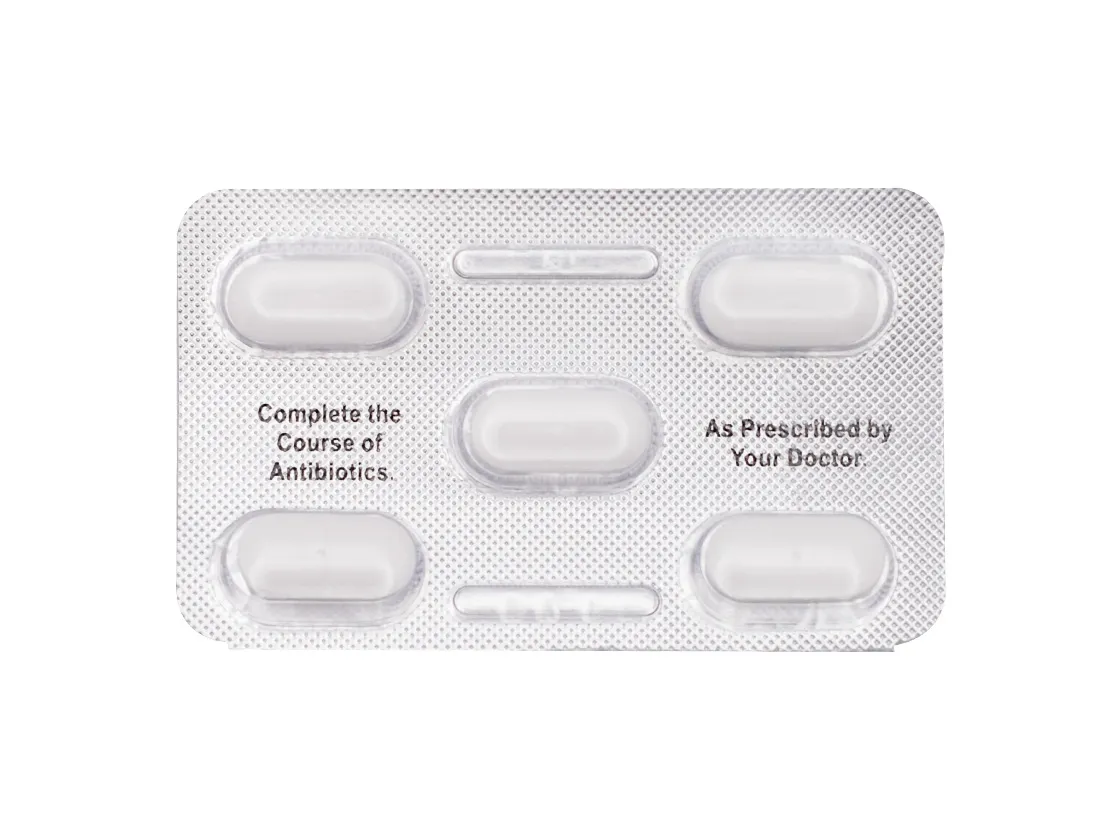
アジーには250mg、500mg(3錠)、500mg(5錠)、1000mgがありますのでお選びください。
- 250mg ¥3,240
- 500mg(3錠) ¥1,980
- 500mg(5錠) ¥2,980
- 1000mg ¥1,980
- 7,000円以上のご購入で送料700円が無料
- お届け予定:本日のご購入で7/16~7/23前後にお届け
-
使用期限:2028年8月
期限について
使用期限はあくまで目安です。
ご購入頂いたタイミングにより使用期限が前後する場合がございます。
そのため、上記の使用期限の商品がお届けとなることを必ずしも保証するものではございませんので、予めご了承ください。
| セット数 | 販売価格 | 1錠 | ポイント | |
|---|---|---|---|---|
| ×1 |
¥2,980
|
¥596
5錠
|
5%還元
+149pt
|
|
| ×2 |
¥3,755
|
¥376
10錠
|
5%還元
+188pt
|
|
| ×3 |
¥4,291
|
¥286
15錠
|
5%還元
+215pt
|
|
| ×5 |
¥5,215
|
¥209
25錠
|
5%還元
+261pt
|
|
| ×7 |
¥6,258
|
¥179
35錠
|
5%還元
+313pt
|




アジーの特徴
- 1回~3回の服用で細菌による疾患を治療する抗菌薬(抗生物質)
- ジスロマックのジェネリック医薬品
- 比較的副作用が少ないマクロライド系抗菌薬(抗生物質)
- 1回の服用でクラミジア・トラコマティスを90.7%消滅
- その他細菌による咳や喉・歯の痛みなどにも有効
アジーは、細菌のたんぱく質合成を阻害して増殖を防ぐ「マクロライド系」の抗菌薬(抗生物質)です。
性器クラミジア感染症の他、マイコプラズマ感染症や歯周病、副鼻腔炎など、細菌を原因とする各種疾患に効果があります。
アジーの適応菌種
アジーの効果・効能(適応症)
アジーの有効成分
アジーの対象性別
アジーの通販について
| 商品名 | アジー(AZEE-250/500/1000) |
|---|---|
| 内容量 | 250mg:10錠 500mg:3錠/5錠 1,000mg:1錠 |
| 有効成分 | アジスロマイシン(Azithromycin)250mg/500mg/1,000mg |
| 製造元 | シプラ(Cipla Ltd.) |
| 販売元 | シプラ(Cipla Ltd.) |
| 発送元 | 台湾 |
| 配送方法 | 郵便局の国際eパケット |
| 納期 | 入金確認後、7日〜14日前後(お届け予定日) |
| 送料 | 700円 ただし、ご注文金額が7,000円以上の場合は送料無料 |
| 決済方法 | 銀行振込、クレジットカード決済、あと払い(Paidy) |
| 返品 | 原則、返品・交換不可 ただし、誤配送や明らかな破損の場合は、正しい商品の無償発送手配などでご対応 |
| キャンセル | ご入金前に限り、キャンセル可 |
- 偽物(偽造品)が混入しない安全な流通ルートを確保しています。
- 取り次ぎ先のサプライヤーが持っている医薬品の取り扱いライセンスを十分に吟味しています。
- 定期的に成分鑑定を専門機関で行い、偽物混入の予防に努めています。
ジスロマックとアジーの販売価格を比較
当サイト上のジスロマック(先発医薬品)とアジー(後発医薬品/ジェネリック医薬品)の販売価格を比較しました。
| 用量 | 500mg | |
|---|---|---|
| ジスロマック | 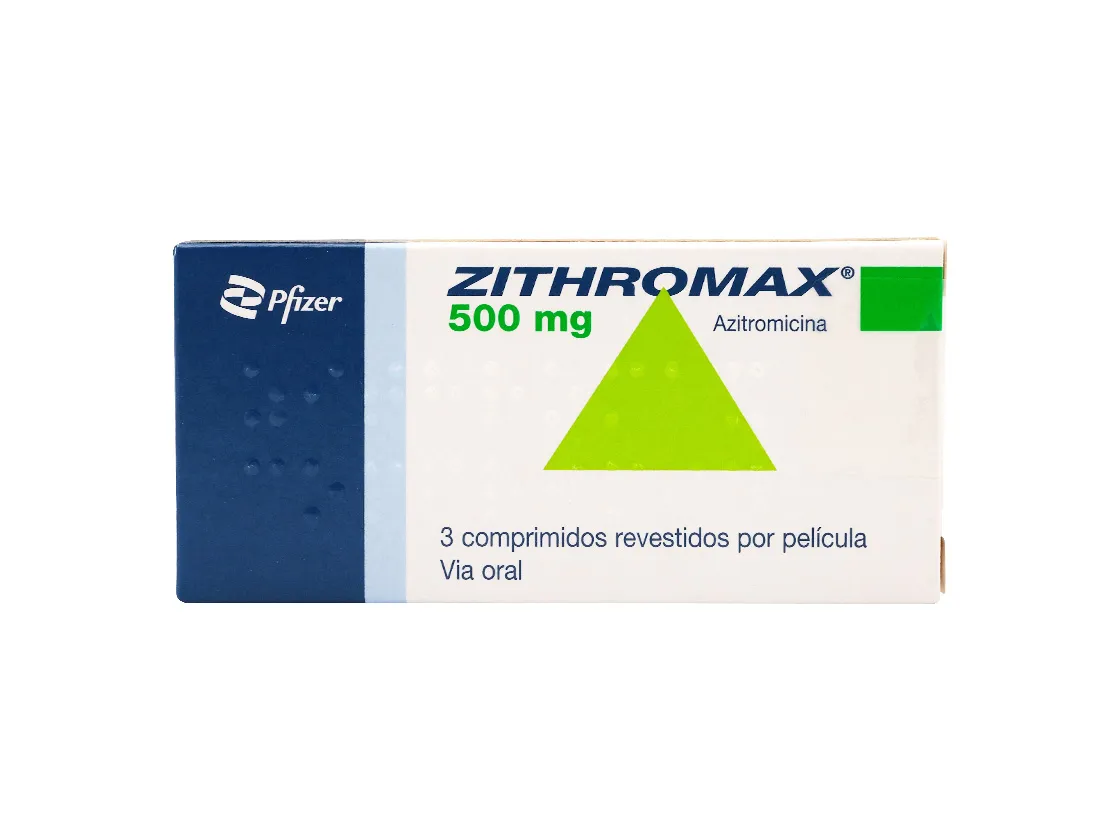 |
1,360円 |
| アジー |  |
596円 |
| 差額 | 764円お得! | |
※まとめ買いやキャンペーンなどによって販売価格が変動する場合があります
ジスロマックとアジーの1錠あたりの販売価格を比較すると、500mgで764円の差があります。
アジーは、ジスロマックと同等の効果を発揮するにもかかわらず、価格は約2分の1以下と非常に安価です。
アジーの効果
アジーは、有効成分アジスロマイシンの作用により、以下の効果を得ることができます。
- 深在性皮膚感染症
- リンパ管・リンパ節炎
- 咽頭・喉頭炎
- 扁桃炎(扁桃周囲炎、扁桃周囲膿瘍を含む)
- 急性気管支炎
- 肺炎
- 肺膿瘍
- 慢性呼吸器病変の二次感染
- 尿道炎
- 子宮頸管炎
- 骨盤内炎症性疾患
- 副鼻腔炎
- 歯周組織炎
- 歯冠周囲炎
- 顎炎
※病原細菌のたんぱく質合成を阻害する
アジーは、マクロライド系に該当する抗生物質です。
有効成分アジスロマイシンが、病原細菌の活動に必要なたんぱく質合成を阻害し、体内での増殖を抑えます。
性器クラミジア感染症を始めとした性感染症の他、細菌による咳や鼻水、歯痛や喉の痛みの解消など、幅広い症状に効果を発揮します。
性感染症(性器クラミジア感染症・淋菌感染症)治療効果

性器クラミジア感染症・淋菌感染症(淋病)は、多くが性行為によって性器に感染します。
いずれの疾患も、男性は尿道炎・精巣上体炎、女性は子宮頸管炎・骨盤内炎症疾患を起こし、排尿時の痛みや性器の腫れが見られます。
また、口経由で喉に感染する「咽頭クラミジア感染症」「淋菌咽頭感染症(咽頭淋病)」の場合は、喉の痛みや違和感が見られます。
アジーの有効成分アジスロマイシンは、たった1日1回1,000mgの服用で、性器クラミジア感染症・淋菌感染症(淋病)の両方を治療します。
梅毒・性器カンジダ症は適応外
性感染症の中でも、梅毒・性器カンジダ症はアジーの適応外であるため注意が必要です。
性器カンジダ症は、原因菌が「細菌」ではなく「真菌」であり、アジーの適応菌種外であるため、治療効果がありません。
梅毒の原因菌は梅毒トレポネーマと言う細菌ですが、有効成分アジスロマイシンへの耐性が確認されてきているため、アジーでは治療効果が不十分となっています。
臨床試験では29日で約90.7%の菌が消滅

クラミジア・トラコマティスによる尿道炎・子宮頸管炎患者計108名を対象に行われた臨床試験では、アジスロマイシン錠1,000mgを1回投与後、15日後・29日後に効果を確認しました。
その結果、アジスロマイシン錠投与後15日目に約86.7%、29日目に約90.7%の菌の消滅が確認されました。
また、淋菌感染者6名にアジスロマイシン錠を投与した別の臨床試験では、服用15日後に全例で有効性が確認されました。
これにより、アジスロマイシンの性器クラミジア感染症・淋菌感染症(淋病)に対する有効性が認められました。
呼吸器感染症(マイコプラズマ感染症など)治療効果

アジーの有効成分アジスロマイシンは、マイコプラズマ感染症や扁桃炎など、細菌による呼吸器感染症にも効果があります。
マイコプラズマ感染症の重症化により発症するマイコプラズマ肺炎は、罹患者の約80%が14歳以下と言われています。
アジーは、小児も安心して使用できる抗菌薬(抗生物質)です。
たった3日間アジーを服用するだけで、咳を始めとした症状を速やかに緩和します。
ただし小児は成人と異なり体重によって服用量が決まるため、分割または小児用のアジスロマイシン錠を服用する必要があります。
臨床試験では患者の約97.6%に効果あり

呼吸器感染症(マイコプラズマ肺炎、急性気管支炎、扁桃炎など)患者計382名を対象に行われた臨床試験では、アジスロマイシン錠500mgを1日、250mgを4日の計5日間投与後、効果を確認しました。
その結果、約97.6%の患者で有効性が確認されました。
これにより、アジスロマイシンの呼吸器感染症に対する有効性が認められました。
歯周病治療効果

アジーの有効成分アジスロマイシンは歯周病治療にも効果があり、歯科で処方されることもあります。
歯周病は、口内に溜まった細菌によって発症する疾患の総称です。
歯茎が腫れる初期段階を「歯肉炎」、歯周ポケットから侵入した細菌が骨を溶かした状態を「歯周炎」、さらに悪化して歯が抜け落ちた状態を「歯槽膿漏」と言います。
アジーの有効成分アジスロマイシンは、歯茎の腫れを引かせて歯肉炎を改善し、歯周ポケットを浅くすることで、歯周炎や歯槽膿漏のさらなる進行を抑制します。
歯周炎の進行抑制に伴い、口臭や歯痛の改善も期待できます。
ただしアジーのみで歯周病は完治しないため、歯科での治療(SRP)との併用が必要です。
臨床試験では歯周ポケットを約1.9mm改善

4mm以上の歯周ポケットを有する患者計30名を対象に行われた臨床試験では、患者を「アジスロマイシンを用いたFM-SRP群」「SRP群」の2つのグループに無作為に分け、3ヵ月後に効果を比較しました。
その結果、SRP群では歯周ポケットの深さが約0.9mm改善したのに対し、アジスロマイシンを用いたFM-SRP群は約1.9mm改善という結果になりました。
これにより、アジスロマイシンの歯周病に対する有効性が認められました。
※SRP=歯垢や歯石を約6回に分けて除去する長期治療法
※FM-SRP=抗菌薬と1回~2回のSRPを併用する短期治療法
副鼻腔炎(蓄膿症)治療効果

副鼻腔炎は、鼻の中(副鼻腔)で菌が繁殖し、炎症・膿が発生する疾患で、ドロッとした黄色い鼻水が出るのが特徴です。
進行すると蓄膿症を引き起こし、顔の痛みや頭痛を引き起こします。
また、膿の影響で口臭悪化や鼻づまりといった症状も見られます。
アジーの有効成分アジスロマイシンの抗菌作用は、副鼻腔炎(蓄膿症)の治療にも効果があります。
臨床試験では患者の100%に効果あり

副鼻腔炎患者計36名を対象に行われた臨床試験では、アジスロマイシン錠500mgを1日、250mgを4日の計5日間投与後、効果を確認しました。
その結果、全ての患者で有効性が確認されました。
これにより、アジスロマイシンの副鼻腔炎に対する有効性が認められました。
【注意】ウイルス性の風邪には効きません
アジーの有効成分アジスロマイシンは、インフルエンザや新型コロナウイルスなどの「ウイルス」を病原体とする疾患には効果がありません。
また、アジーの適応菌種「インフルエンザ菌」とインフルエンザウイルスは、名前が似ているだけで全く違う病原体です。
インフルエンザ菌は中耳炎や副鼻腔炎、インフルエンザウイルスは発熱や倦怠感が主症状となります。
また扁桃炎などのように、ウイルスと細菌(溶連菌や肺炎球菌など)の両方を病原体とする場合があります。
この場合、肺炎球菌はアジスロマイシンの耐性を獲得しつつあるため、溶連菌由来の扁桃炎であればほぼ確実にアジーの治療効果を得ることが可能です。
アジーの仕組み(作用機序)
細菌の生命維持や増殖には、たんぱく質合成が必要となります。
たんぱく質合成は、細菌の「リボソーム」という器官で行われています。
アジーの有効成分アジスロマイシンは、リボソームに作用することでたんぱく質の合成を抑え、細菌の増殖を抑えます。
こういった作用を持つ抗菌薬(抗生物質)を「マクロライド系」と言います。
マクロライド系のアジーは、クラミジア属のような細胞壁が無い細菌にも効果を発揮できるのが強みです。
また、アジーの有効成分アジスロマイシンは体内に長くとどまるため、少ない回数の服用で他の抗菌薬(抗生物質)と同程度の効果が発揮できます。
他の抗菌薬(抗生物質)との違いを比較
抗菌薬(抗生物質)には、アジーなどのマクロライド系以外にも以下の様な種類があります。
| 役割 | 分類 |
|---|---|
| 細菌のたんぱく質合成を阻害する | アミノグリコシド系 マクロライド系 オキサゾリジノン系 ストレプトグラミン系 テトラサイクリン系 |
| 細菌の細胞壁・細胞膜合成を阻害する | セファロスポリン系 カルバペネム系 グリコペプチド系・リポグリコペプチド系 モノバクタム系 ペニシリン系 ポリペプチド系 セフェム系 |
| 細菌のDNA複製・RNA合成を阻害する | フルオロキノロン系(ニューキノロン系) リファマイシン系 |
| その他 | スルホンアミド系 |
アジーと他の抗菌薬(抗生物質)との違いは、以下をご覧ください。
クラリス(クラリスロマイシン)
クラリスは、クラリスロマイシンを有効成分とする抗菌薬(抗生物質)です。
アジー同様「マクロライド系」に分類されます。
当サイトでは、クラリスのジェネリック医薬品「ゾクラー」をお取り扱いしています。
| アジー | ゾクラー | |
|---|---|---|
| 価格 | 500mg5錠2,891円 1錠約578円 |
500mg4錠2,697円 1錠約674円 |
| 適応菌種・適応症 | 比較的少ない | ピロリ感染症や胃潰瘍などにも効く |
| 効果の強さなど | 症状による | 症状による |
| 副作用 | 主に下痢 | 主に下痢 |
| 基本の服用方法 | 1日1回500mgを3日間 | 1日2回400mgを毎日 |
| その他 | - | 併用禁忌薬・併用注意薬が非常に多い |
アジスロマイシンは1回の服用で効果が長持ちし、クラリスロマイシンは毎日服用で効果を維持するという違いがあります。
総合的な効果の強さ(治癒率)はおおよそ同じです。
しかし、インフルエンザ菌・マイコプラズマ肺炎菌に対してはアジスロマイシン、肺炎球菌に対してはクラリスロマイシンの方が強い治療効果を発揮します。
自身の症状に合わせて、アジー・クラリスを使い分けると良いでしょう。
その他、クラリスは併用禁忌薬・併用注意薬が非常に多いため、該当する医薬品を使用している場合はアジーをお選びください。

クラビット(レボフロキサシン)
クラビットは、レボフロキサシンを有効成分とする抗菌薬(抗生物質)です。
細菌のDNA複製を阻害する「フルオロキノロン系(ニューキノロン系)」に分類されます。
当サイトでは、クラビットのジェネリック医薬品「エルクイン」「レボクイン」をお取り扱いしています。
| アジー | レボクイン | |
|---|---|---|
| 価格 | 500mg5錠2,891円 1錠約578円 |
500mg10錠1,824円 1錠約182円 |
| 適応菌種・適応症 | 比較的少ない | 非常に多い |
| 効果の強さなど | 比較的弱い 細菌の増殖を抑える効果であるため |
比較的強い 直接細菌を殺す効果があるため |
| 副作用 | 主に下痢 | 主に下痢など |
| 基本の服用方法 | 1日1回500mgを3日間 | 1日1回500mgを毎日 |
| その他 | - | 小児や妊婦は服用不可 |
レボフロキサシンとアジスロマイシンの大きな違いは、適応菌種・適応症の幅広さです。
レボフロキサシンの方が、アジスロマイシンと比較して適応菌種・適応症が多く、サルモネラ菌や結核菌、緑膿菌やカンピロバクター属にも効果を発揮します。
アクネ菌にも効果があるため、ニキビにお悩みの方にはアジーよりクラビットがおすすめです。
しかし副作用が強いため、小児と妊婦(妊娠の可能性がある女性を含む)のクラビット服用は禁忌とされています。
小児や妊婦はアジー、アジーの適応外の疾患を持つ方はクラビットがおすすめです。


サワシリン(アモキシシリン)
サワシリンは、アモキシシリンを有効成分とする抗菌薬(抗生物質)です。
細菌の細胞壁合成を阻害する「ペニシリン系」に分類されます。
当サイトでは、サワシリンのジェネリック医薬品「ノバモックス」をお取り扱いしています。
| アジー | ノバモックス | |
|---|---|---|
| 価格 | 500mg5錠2,891円 1錠約578円 |
500mg15錠2,600円 1錠約173円 |
| 適応菌種・適応症 | クラミジア属・マイコプラズマ属などにも効く | ピロリ感染症や胃潰瘍などにも効く |
| 効果の強さなど | 細菌の耐性有無による | 細菌の耐性有無による |
| 副作用 | 主に下痢 | 主に下痢や軟便 |
| 基本の服用方法 | 1日1回500mgを3日間 | 1日3回~4回250mgを毎日 |
| その他 | - | 2剤併用で耐性へのカバー可能 |
アモキシシリンとアジスロマイシンは、服用方法が大きく違います。
アジスロマイシンが1日1回の服用で良いのに対し、アモキシシリンは1日3回~4回もの服用が必要です。
またアモキシシリンは、アジスロマイシンと比較して耐性菌への対策が確立しているという違いもあります。
アモキシシリンを有効成分とするサワシリンとオーグメンチンを併用する「オグサワ処方」により、耐性ができやすい疾患もカバーできます。
オグサワ処方でカバーできない性器クラミジア感染症・マイコプラズマ感染症にはアジー、溶連菌(レンサ球菌)・肺炎球菌による疾患にはサワシリンがおすすめです。

ビブラマイシン(ドキシサイクリン)
ビブラマイシンは、ドキシサイクリンを有効成分とする抗菌薬(抗生物質)です。
細菌のたんぱく質合成を阻害する「テトラサイクリン系」に分類されます。
当サイトでは、ビブラマイシンのジェネリック医薬品「ドキシペン」「モノドクス」をお取り扱いしています。
| アジー | モノドクス | |
|---|---|---|
| 価格 | 500mg5錠2,891円 1錠約578円 |
100mg14錠2,115円 1錠約151円 |
| 適応菌種・適応症 | インフルエンザ菌、レジオネラ属菌にも効く | ペスト菌、コレラ菌、ブルセラ属、Q熱リケッチアにも効く |
| 効果の強さなど | ほぼ同じ | ほぼ同じ |
| 副作用 | 主に下痢 | 主に吐き気 |
| 基本の服用方法 | 1日1回500mgを3日間 | 1日1回100mgを毎日 |
| その他 | - | 食べ物や牛乳の影響をやや受ける |
ドキシサイクリンなどのテトラサイクリン系と、アジスロマイシンなどのマクロライド系は、たんぱく質合成を阻害するという点で共通していますが、適応症にやや違いがあります。
自身の症状に合った方を選びましょう。
ドキシサイクリンとアジスロマイシンのその他の違いとして、食事の影響があります。
ドキシサイクリンは、牛乳との併用で血中濃度のピークが遅れます。
また、カルシウム・マグネシウム・鉄剤などと併用すると体内に吸収されにくくなります。
治療目的の疾患の他、牛乳やサプリメントを日常的に服用するかどうかで、アジーとビブラマイシンを使い分けるのもおすすめです。


フロモックス(セフカペンピボキシル塩酸塩水和物)
フロモックスは、セフカペンピボキシル塩酸塩水和物を有効成分とする抗菌薬(抗生物質)です。
細菌の細胞壁合成を阻害する「セフェム系」に分類されます。
| アジー | フロモックス | |
|---|---|---|
| 価格 | 500mg5錠2,891円 1錠約578円 |
100mg10錠1,770円 1錠約177円※相場 |
| 適応菌種・適応症 | クラミジア属・マイコプラズマ属などにも効く | アクネ菌や大腸菌などにも効く |
| 効果の強さなど | 比較的強い | 比較的弱い |
| 副作用 | 主に下痢 | 主に下痢など |
| 基本の服用方法 | ◎ 1日1回500mgを3日間 |
× 1日3回100mgを毎日 |
| その他 | - | 空腹時の服用で吸収率が下がる |
アジスロマイシンとセフカペンピボキシル塩酸塩水和物は、適応症にやや違いがあります。
性感染症や扁桃炎・副鼻腔炎治療目的にはアジー、ニキビ・膀胱炎治療目的にはフロモックスが有効です。
またセフカペンピボキシル塩酸塩水和物は、アジスロマイシンと違い食事の影響を受けやすいというデメリットがあります。
1日3回食後の服用が推奨されているため、食事を抜く習慣がある場合はアジーがおすすめです。
アジーの飲み方(用法・用量)
アジーは、性器クラミジア感染症治療目的か否かによって使い方が異なります。
以下の用法・用量を守って正しくお使いください。
性器クラミジア感染症に用いる場合
| 年齢 | 全年齢 ※小児の場合は小児用のアジスロマイシン錠服用を推奨 |
|---|---|
| 成人の1回の用量 | アジスロマイシンとして1,000mgまで 250mg錠の場合:4錠 500mg錠の場合:2錠 1,000mg錠の場合:1錠 |
| 1日の服用回数 | 1回まで |
| 服用のタイミング | 都合の良い時間帯 |
| 服用時の条件 | 服用は1回のみとし、服用後2週間~4週間経過観察を行う |
性器クラミジア感染症治療目的でアジーを服用する際は、アジスロマイシンとして1,000mgを1回だけ服用します。
250mg錠であれば4錠、500mg錠であれば2錠、1,000mg錠であれば1錠のアジーを、コップ1杯分の水や白湯(ぬるま湯)と一緒に飲んでください。
アジー1回の服用で、クラミジア属に対して有効な組織内濃度が約10日間持続するため、連続で服用する必要はありません。
再感染を防ぐため、その後しばらくは性行為を控えてください。
アジー服用後、性器クラミジア感染症治療効果が出るまでには約2週間~4週間かかります。
効かない場合は、医師の指導の下、他の抗菌薬(抗生物質)に切り替えてください。
性器クラミジア感染症以外に用いる場合
| 年齢 | 全年齢 ※小児の場合は小児用のアジスロマイシン錠服用を推奨 |
|---|---|
| 成人の1回の用量 | アジスロマイシンとして500mgまで 250mg錠の場合:2錠 500mg錠の場合:1錠 1,000mg錠の場合:0.5錠 |
| 1日の服用回数 | 1回まで |
| 服用のタイミング | 都合の良い時間帯 |
| 服用時の条件 | 服用は3日間とし、4日目以降も治らないまたは悪化した場合は、医師の指導の下他の抗菌薬(抗生物質)に切り替える |
扁桃炎や急性気管支炎などの治療目的でアジーを服用する際は、アジスロマイシンとして500mgを1日1回、計3日間服用します。
250mg錠であれば2錠、500mg錠であれば1錠、1,000mg錠であれば0.5錠のアジーを、コップ1杯分の水や白湯(ぬるま湯)と一緒に飲んでください。
3日間のアジー服用で、細菌に対して有効な組織内濃度が約7日間持続するため、それ以上服用する必要はありません。
症状によって異なりますが、アジー服用開始後2日~3日以内になんらかの症状の改善が見られます。
肺炎球菌・インフルエンザ菌による症状は、約2週間で改善または治癒します。
効かない場合は、医師の指導の下、他の抗菌薬(抗生物質)に切り替えてください。
飲むタイミングはいつでも良い
アジーの有効成分アジスロマイシンの効果は基本的に食事の影響を受けないため、食前・食後にかかわらず、都合の良い時間に服用していただけます。
ただし満腹時に服用すると、副作用が起きやすくなる場合があります。
お酒との併用も可能ですが、多量のアルコールはアジーの副作用を強める恐れがあるため、飲酒量は少量に留めてください。
子どもでも飲めるほど苦味を抑える服用方法

アジーは大変苦いため、飲めないと感じる子どももいます。
アジーの苦味を抑え、大人も子どもも楽に飲める飲み方をご紹介します。
砕いたり割ったりせずに飲む
アジーを粉砕・分割すると、内部の苦い成分が直接舌に触れ、より苦味を感じます。
1錠をまるごと噛まずに飲んでください。
当サイトでお取り扱いしているのは錠剤のみですが、アジーには他にも細粒状やシロップ状のものなどがあります。
細粒状のものは、数滴の水と混ぜて薬団子を作ることで、子どもでも飲みやすくなります。
メープルシロップ・チョコクリームと一緒に飲む
アジーは、メープルシロップと一緒に飲むことで最も苦味を感じにくくなります。
次いでチョコクリーム・ピーナッツクリーム・はちみつ・練乳も、アジーの苦味を抑えるのに効果的です。
ジュース・乳酸菌・牛乳は苦味を強めます
アジーは、ヨーグルト・ジュース・スポーツドリンクなど、酸味のあるものと一緒に飲むと苦味が強くなるので注意しましょう。
また、牛乳やアイスクリームなどの乳製品もアジーの苦味をより感じやすくします。
牛乳の代わりにコーヒー牛乳を併用した場合はやや苦味が収まりますが、水で飲んだ方が苦味が少なく済みます。
アジーの副作用
アジーは、下痢などの消化器症状を中心とした副作用が現れることがありますが、数日経つと症状は改善します。
アジーの主な副作用は、以下の通りです。
| 1%以上 | 0.1%~1% | 0.1%未満 | 頻度不明 | |
|---|---|---|---|---|
| 皮膚 | 発疹、蕁麻疹、そう痒症 | アトピー性皮膚炎増悪 | 光線過敏性反応、紅斑、水疱、皮膚剥離、多形紅斑、寝汗、多汗症、皮膚乾燥、皮膚変色、脱毛 | |
| 血液 | 好酸球数増加 | 白血球数減少 | 血小板数増加、好塩基球数増加、顆粒球数減少、プロトロンビン時間延長、血小板数減少 | 貧血、リンパ球数減少、ヘモグロビン減少、白血球数増加 |
| 血管障害 | 血栓性静脈炎 | 潮紅 | ||
| 循環器 | 血圧低下、動悸、血圧上昇 | |||
| 肝臓 | ALT増加 | AST増加、ALP増加、γ-GTP増加、LDH増加、肝機能検査異常 | 血中ビリルビン増加 | |
| 腎臓 | BUN増加、尿中蛋白陽性 | クレアチニン増加、腎臓痛、排尿困難、尿潜血陽性、頻尿 | ||
| 消化器 | 下痢 | 腹痛、悪心、嘔吐、腹部不快感、腹部膨満 | 便秘、口内炎、消化不良、食欲不振、鼓腸放屁、口唇のあれ、黒毛舌、舌炎、舌苔、腹鳴 | 舌変色、口・舌のしびれ感、おくび、胃炎、口内乾燥、唾液増加、膵炎、アフタ性口内炎、口腔内不快感、消化管障害、口唇炎 |
| 精神・神経系 | 頭痛、めまい、灼熱感、傾眠、味覚異常、感覚鈍麻、不眠症 | 失神、痙攣、振戦、激越、嗅覚異常、無嗅覚、神経過敏、不安、錯感覚、攻撃性 | ||
| 感染症 | カンジダ症 | 胃腸炎 | 真菌感染、咽頭炎、皮膚感染、肺炎、β溶血性レンサ球菌感染、膣炎 | |
| 眼 | 結膜炎、眼瞼浮腫、霧視、ぶどう膜炎、眼痛、視力障害 | |||
| 筋骨格系 | 筋肉痛、関節痛、頚部痛、背部痛、四肢痛、関節腫脹 | |||
| 呼吸器 | 咳嗽、呼吸困難、嗄声 | 鼻出血、アレルギー性鼻炎、くしゃみ、ラ音、気管障害、低音性連続性ラ音、鼻部障害、鼻閉、鼻漏、羊鳴性気管支音、痰貯留 | ||
| 耳 | 耳痛、難聴、耳鳴、聴力低下、耳の障害 | |||
| 生殖器 | 卵巣嚢腫 | 精巣痛、不正子宮出血 | ||
| 代謝 | 血中カリウム減少、血中カリウム増加 | 脱水、血中重炭酸塩減少、低カリウム血症 | ||
| 注入部位 | 疼痛 | 血管外漏出、紅斑 | ||
| その他 | 発熱、口渇、気分不良、倦怠感、浮遊感 | 胸痛、無力症、浮腫、低体温、不整脈、咽喉頭異物感、局所腫脹、粘膜異常感覚、疼痛、疲労 |
整腸剤や下痢止めとの併用可
アジーの有効成分アジスロマイシンは、病原菌となる細菌だけでなく、元々体内にいる腸内細菌にも作用するため、腸内フローラが乱れ、下痢や腹痛などの副作用を起こします。
あまりに症状がひどい場合は、整腸剤や下痢止め、痛み止めを併用して構いません。
特に処置をしなくても2日前後で収まります。
小児の場合はもう少し長引く場合があります。
重篤な副作用
アジーは、重篤な副作用として「アナフィラキシーショック」「中毒性表皮壊死融解症、皮膚粘膜眼症候群、急性汎発性発疹性膿疱症」「薬剤性過敏症症候群」「肝炎、肝機能障害、黄疸、肝不全」「急性腎障害」「偽膜性大腸炎、出血性大腸炎」「間質性肺炎、好酸球性肺炎」「QT延長、心室性頻脈」「白血球減少、顆粒球減少、血小板減少」「横紋筋融解症」を引き起こすことがあります。
| アナフィラキシーショック | 特定のアレルゲン(特異抗原)によって、全身にアレルギー反応が生じ、急激な呼吸困難や循環不全などを引き起こすアレルギー疾患 |
|---|---|
| 中毒性表皮壊死融解症 皮膚粘膜眼症候群 急性汎発性発疹性膿疱症 |
38℃以上の高熱とともに、水ぶくれやただれ、膿が生じる疾患 |
| 薬剤性過敏症症候群 | 特定の医薬品を服用した2週間~6週間後、38℃以上の高熱とともに、全身の赤い斑点やリンパの腫れなどが生じる疾患 |
| 肝炎 肝機能障害 黄疸 肝不全 |
肝臓の炎症(肝炎)によるダメージで本来の働きが低下(肝機能障害)または停止(肝不全)し、胆汁が血液中に漏れ出すなどする疾患(黄疸) |
| 急性腎障害 | なんらかの理由により短期間で腎臓の機能が落ちて排泄ができなくなり、体内に老廃物や水分がたまる疾患 |
| 偽膜性大腸炎 | 抗菌薬(抗生物質)による善玉菌減少で悪玉菌が異常繁殖し、激しい下痢や腹痛、発熱を引き起こす疾患 |
| 出血性大腸炎 | なんらかの理由で大腸の粘膜に炎症や腫瘍ができ、激しい腹痛とともに大量の血便が出る疾患 |
| 間質性肺炎 | 空気を取り込む肺胞の壁に炎症や損傷が起き、厚く硬くなることで、呼吸困難や咳を引き起こす疾患 |
| 好酸球性肺炎 | アレルギー反応にかかわる白血球「好酸球」が肺に異常に集まり、呼吸困難や咳を引き起こす疾患 |
| QT延長、心室性頻脈 | 心臓の興奮が収まるまでの時間(QT間隔)が長くなり、長時間頻脈状態が続くことで、動悸や意識消失を引き起こす疾患 |
| 白血球減少、顆粒球減少、血小板減少 | なんらかの理由で白血球、顆粒球、血小板が減少し、免疫力低下や止血遅延を引き起こす疾患 |
| 横紋筋融解症 | 骨格細胞が壊死して融解し、血液中に流れ出る疾患 急性腎不全などを引き起こす |
以上の様な有害事象が発生した場合は、すぐにアジーの使用を中止し、医師や薬剤師に相談してください。
アジーの注意事項
アジーには、禁忌(服用してはいけない方)が指定されています。
以下に該当する方はアジーを服用できません。
- アジーの有効成分(アジスロマイシン)に対して過敏性(アレルギー)を引き起こしたことがある方
また、アジーの服用に注意が必要な方も指定されています。
以下に該当する方はアジーを服用する前に医師に相談してください。
- 他のマクロライド系またはケトライド系薬剤に対し過敏症の既往歴のある方
- 心疾患のある方
- 妊娠中の方
- 授乳中の方
- 低出生体重児、新生児などの小児
- 高齢者
アジーの相互作用
アジーには、併用禁忌薬(併用してはいけない医薬品)が指定されていません。
- なし
ただし、アジーと飲み合わせが悪く、併用に注意が必要な医薬品は指定されています。
- 制酸剤(水酸化マグネシウム、水酸化アルミニウム)
- ワルファリン
- シクロスポリン
- ネルフィナビル
- ジゴキシン
- ベネトクラクス
アジーの保管方法
アジーは以下を守って保管してください。
- 高温多湿を避け、直射日光が当たらない涼しく乾燥した所で室温保管する
- 凍らせないで保管する
- 子ども(乳幼児や小児など)の手の届かない所に保管する
- PTP包装シートなどに包装されたまま保管する
- 日中の車内に長時間置かない
- 使用期限を厳守し、使用期限を過ぎた場合は破棄する
日光や温度、湿度などにより、効果が損なわれることがあるため、特に注意が必要です。
また、誤って子ども(乳幼児や小児など)が使用してしまわないよう、子どもの手の届かない所に保管してください。
使用期限(有効期限)を超えたアジーは使用しないでください。
医薬品は使用期限を過ぎると有効成分に変化が起こり、効果が減弱したり、思わぬ副作用が発生したりする可能性があります。
重篤な副作用に繋がる可能性もあるため、使用前に必ず使用期限を確認してください。
アジーの参考文献
- DRUG:アジスロマイシン水和物-KEGG-
- 梅毒:MSD家庭版マニュアル
- アジスロマイシンを用いたone-stage full-mouth SRPの効果:J-STAGE
- マクロライド系抗菌薬の解説:日経メディカル
- 食品による医薬品の苦味マスキング効果:第一薬科大学
- 抗菌薬によって起こる副作用:大阪公立大学
- Does azithromycin cure chlamydia: How much / how long?:Drugs.com
- 医薬品インタビューフォーム:ファイザー株式会社
- 扁桃炎および副鼻腔炎における azithromycin と cefcapene pivoxil の有効性:公益社団法人 日本化学療法学会
- アジスロマイシン単回投与製剤:独立行政法人 医薬品医療機器総合機構
アジーのよくある質問(FAQ)
-
- アジーを服用した場合クラミジアは何日で治りますか?
- 性器クラミジア感染症は、多くの場合アジー服用後約2週間~4週間で治ります。
臨床試験では、アジスロマイシン錠1,000mg服用後29日目で、90.7%の菌消滅を確認しました。
もし効かない場合は、医師の指導の下、他の抗菌薬(抗生物質)に切り替えてください。
-
- アジーを飲んでも風邪が治らないのはなぜですか?
- アジーの適応外である、ウイルス性の風邪である可能性があります。
細菌系の風邪であるにもかかわらずアジーの効果が見られない場合は、他の抗菌薬(抗生物質)に切り替えることで効果が見られる可能性があります。
-
- アジー服用後、性行為はいつからして良いですか?
- 少なくとも、アジーの有効成分アジスロマイシンが効果を発揮する7日~10日間は、性行為は控えるようにしてください。
また、性行為の相手が依然性器クラミジア感染症に罹患している場合、せっかくアジーで治療しても再感染してしまう恐れがあります。
根本的治療には、両者の治療・検査が必要です。
-
- アジー服用後、飲酒はいつからして良いですか?
- アジーの有効成分アジスロマイシンは、食べ物・飲み物の影響を受けないため、服用後すぐにお酒を飲んでいただいても効果に影響はありません。
しかし多量のアルコールは、アジーの副作用を強める恐れがありますので、飲酒量は少量に留めてください。
-
- アジーを食後に飲んでしまったのですが効果に影響しますか?
- アジーは食べ物の影響を受けないため、食前・食後のどちらのタイミングで服用しても効果に影響はありません。
しかし、空腹時に服用した方がアジーの副作用の発現率が低くなるというデータがあるため、食後すぐの満腹状態での服用は避けるのがおすすめです。
-
- 人間用のアジーを猫や犬にあげても良いですか?
- アジーは、犬や猫などの動物も服用できます。
人間用と同様アジスロマイシンを有効成分としていますが、特に服用量に違いがあるため、自己判断で動物に人間用のアジーを飲ませるのはお控えください。
飲ませたい場合は、事前にかかりつけの獣医師に相談してください。
-
- 副作用の下痢はいつからいつまで続きますか?
- 発現時期は人によって異なりますが、65歳以上の日本人12名を対象とした臨床試験では、いずれも2日以内に下痢が治まったというデータがあります。
2歳未満の小児は副作用が起きやすい傾向にありますが、アジー服用後2日目に発現、下痢止めとの併用で4日以内には回復します。
-
- 妊娠中・授乳中に性感染症の罹患が判明したのですが、アジーを服用しても良いですか?
- 妊娠中・授乳中の方は「アジーの服用に注意が必要な方」に該当します。
自己判断で服用せず、事前に医師や薬剤師にご相談ください。
アジーの口コミ(1379件の評価)
-
とても満足64%
-
満足29%
-
普通7%
-
やや不満1%
-
不満1%
-
女性50代効きます
以前マイコプラズマ肺炎になった時に3日間1錠ずつを飲み、一発で治りました。
ここぞという時に効くお薬なので救急箱にいれておいています -
男性40代アジー1000ミリグラム
心配だったので、お試しで1つ頼んでみました。思ったよりも、早く(注文して2週間程度)で届いたのでありがたかったです。
また、郵便局留もできるので、すぐに受け取ることができました。ありがとうございました。 -
女性30代性交痛がなくなった
行為の時に奥の方が痛むことが続いていました。調べてみるとクラミジアの症状の一つだと知り、この薬を服用。すると、あれだけ悩んでいた痛みがなくなりました。もっと早く試せばよかったです。同じ悩みを持つ女性は一度疑ってみるといいかもしれません。
-
男性50代安心です
違和感がある時に使用していますが、
服用すると下痢をする事が有りますが、
効果はあって、その後は違和感も無くなり、
医者で検査しても陰性なので、
医者に行く回数は減るので、助かっています。
-
女性40代副鼻腔炎、膀胱炎に
鼻が悪くすぐ副鼻腔炎になるのと
膀胱炎にもたまになるので購入しました
抗生物質なのですぐ治ります
病院に行かずとも治せるので助かってます -
男性70代喉の痛み
喉の痛みがなかなか良くならずアジーを1日1錠で3日飲みましたら何とかなり良くなりました、医者要らずで感激です、今回リピートで再度注文しました、常備薬とします。
-
男性30代彼女がクラミジアと診断され
彼女がクラミジアだと分かったので、自分も感染しているだろうと思い、病院には行かずにこちらで治療しました。2週間飲みきってから検査キットで確認したところ、しっかり陰性になっていました。病院での気まずい思いをしなくて済むので、本当に助かります。
-
男性40代思ったよりデカい
カマグラと同梱で緩衝材保護の封筒に入っていましたが、箱等ないためシートのままでした。幸い破損はありませんでしたが、輸送過程次第ではちょっと心許なく感じますね。今回は予防的な意味で手に入れたので効果はこれからですが、もしものためのお薬があることは安心になります。それにしてもデカい剤型ですね。

-
男性40代最高です。
この薬をネットで購入が出来る事が最高ですね、クリニックに行かなくてすみますし価格も安いです。この薬を使わずに済む様な行動を心がけていきたいものですね。

-
男性40代多種多様な症状に効く抗生剤
咽頭炎や喉頭炎、風邪の症状等、あらゆる場面に効く薬です。尿道炎や性感染症かなと思われる場合にも当然ながら、効果を発揮します。また、日本で処方された経験のある液体タイプは下痢や胃痛がしましたが、こちらの商品では自分は、そこ迄の症状ににはならず、安心しました。更に驚いたのは、新型コロナに感染した時も一定の効果が実感出来たことです。なので、定期的に購入したいと思います。

口コミやレビューの正当性を保つため、商品をご購入して頂いた方に限り、1商品につき1回の投稿が可能となっております。
Myページにログインして、ご購入履歴をお確かめのうえ、口コミやレビューを投稿をしてください。


